Eco-Friendly Tips to Avoid Plastic
Posted on 30/11/2024
In a world increasingly aware of the environmental crisis, reducing plastic use has become more critical than ever. Plastics hurt ecosystems, marine life, and human health. Here are some effective eco-friendly tips to help you minimize plastic in your everyday life.
1. Embrace Reusable Bags
Swap single-use plastic bags with reusable ones. Cloth, jute, and canvas bags are durable and reusable, making them an excellent alternative for your shopping needs. Keep a few bags handy in your car or backpack to ensure you never have to resort to plastic bags.
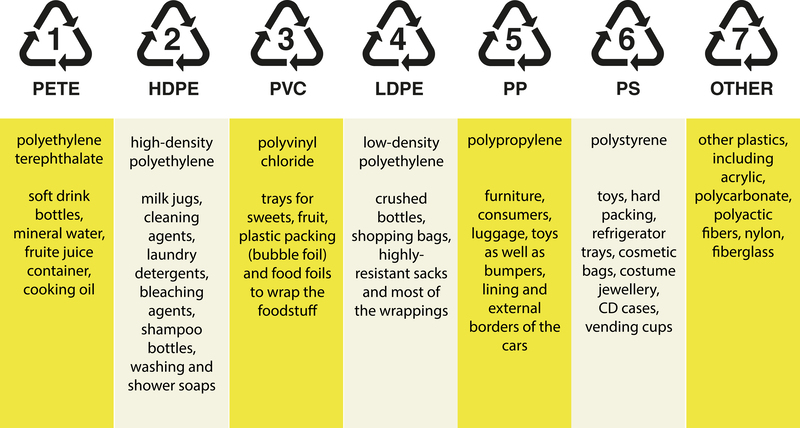
2. Avoid Plastic Bottles
The convenience of plastic bottles comes at a high environmental cost. Switch to reusable water bottles made of stainless steel or glass. Many coffee shops and juice bars also accept reusable cups, so bring your own to cut down on plastic waste.
3. Say No to Plastic Straws
Plastic straws are among the top pollutants in oceans. Opt for reusable alternatives made of stainless steel, bamboo, or glass. Additionally, encourage restaurants and bars to offer these options or go completely straw-free.
4. Opt for Bulk Shopping
Buy in bulk to reduce packaging waste. Stores that sell bulk items often allow you to bring your own containers. Purchasing larger quantities reduces the plastic needed for smaller packaging.
5. Choose Eco-Friendly Packaging
Look for products packaged in biodegradable materials or minimalistic packaging. Companies are increasingly offering sustainable options, like cardboard or biodegradable plastics. Prioritize these products to support eco-friendly businesses.
6. Avoid Single-Use Plastics
Single-use plastics like cutlery, plates, and cups contribute significantly to plastic pollution. Invest in a portable cutlery set and reusable dishes. These options are not only eco-friendly, but they also add a touch of class to your mealtime.

7. DIY Household Products
Many commercial household products come in plastic containers. Make your own cleaning solutions and store them in glass bottles. You'll reduce plastic waste and avoid harmful chemicals often found in store-bought cleaners.
8. Shop Second-Hand
Buying second-hand items reduces the need for new plastic packaging. Thrift stores, consignment shops, and online marketplaces offer a wide range of pre-loved items, from clothing to furniture. It's an excellent way to minimize plastic waste.
9. Support Plastic-Free Initiatives
Numerous organizations advocate for reduced plastic usage. Support them by volunteering, donating, or simply spreading awareness. Your actions can inspire others to make more eco-friendly choices.
10. Educate Yourself and Others
Knowledge is power. Stay informed about the impact of plastic on the environment and share this information with friends, family, and your community. Awareness can lead to more collective action against plastic pollution.
Pros and Cons of Avoiding Plastic
Pros:
- Reduces environmental pollution.
- Decreases harm to marine life.
- Improves human health by reducing exposure to toxic chemicals found in plastics.
- Encourages the use of sustainable materials.
- Saves money in the long run by investing in reusable products.
Cons:
- Initial cost of reusable items can be higher.
- Requires a change in daily habits and routines.
- Limited availability of plastic-free alternatives in some areas.
- Potential inconvenience when transitioning away from single-use products.

Key Takeaways
- Reducing plastic waste is essential for environmental preservation.
- Simple changes, like using reusable bags and bottles, can significantly impact.
- Supporting eco-friendly products and initiatives fosters a more sustainable future.
- Educating yourself and others is crucial to driving collective action against plastic pollution.
- While there are some challenges, the long-term benefits far outweigh the initial effort.
Conclusion
Minimizing plastic use is a crucial step toward a healthier planet. While it involves some initial effort, the benefits are overwhelmingly positive for the environment, marine life, and our well-being. By adopting small but impactful changes in our daily routines, supporting sustainable businesses, and spreading awareness, we can collectively make a significant difference. Start integrating these eco-friendly tips into your life today and take a proactive stance against plastic pollution.
Latest Posts
How Does Composting Help the Environment?
Sustainable School Project Solutions
Enhance Business Efficiency with Waste Collection