Sustainable School Project Solutions
Posted on 09/03/2026
In today's rapidly evolving world, the importance of sustainability cannot be overstated. Schools, as pillars of the community, play a crucial role in promoting sustainable practices. From reducing carbon footprints to enhancing educational outcomes, sustainable school project solutions offer myriad benefits. This article delves into various strategies that schools can deploy to become more sustainable, highlights the pros and cons, offers valuable tips, takeaways, and concludes with actionable insights.
The Importance of Sustainable Schools
Sustainability in schools is not just about environmental benefits but encompasses economic and social dimensions as well. Implementing sustainable project solutions in schools helps in:
- Reducing energy consumption and operational costs
- Fostering environmental stewardship among students
- Enhancing indoor air quality and overall health
- Preparing students for future green jobs

Energy-Efficient Solutions
One of the most impactful ways schools can become more sustainable is through energy-efficient solutions. These include:
Solar Panels
Installing solar panels is a significant step towards reducing dependency on non-renewable energy sources. Not only do they cut electricity costs, but they also serve as educational tools for students.
LED Lighting
Replacing traditional lighting with LED bulbs can drastically reduce energy consumption. LEDs are more efficient and have a longer lifespan compared to traditional bulbs.
Energy Management Systems
Implementing advanced energy management systems allows schools to monitor and control energy usage effectively. These systems can provide real-time data, enabling a proactive approach to energy conservation.
Waste Management Solutions
Recycling Programs
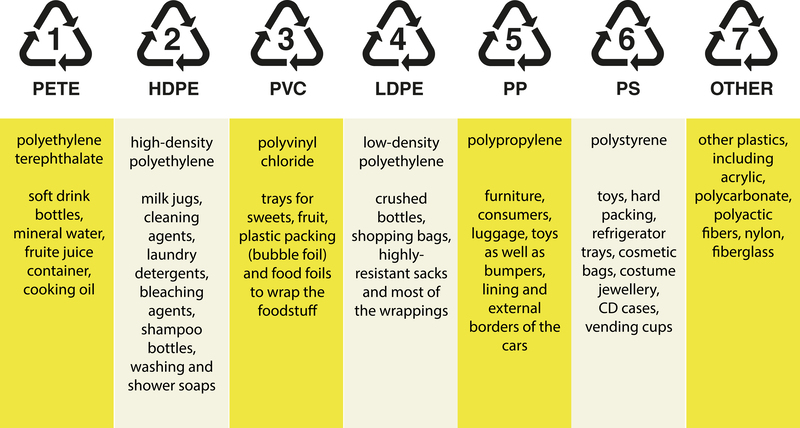
Schools can establish comprehensive recycling programs to manage waste effectively. By segregating paper, plastic, and organic waste, schools can significantly reduce landfill contributions.
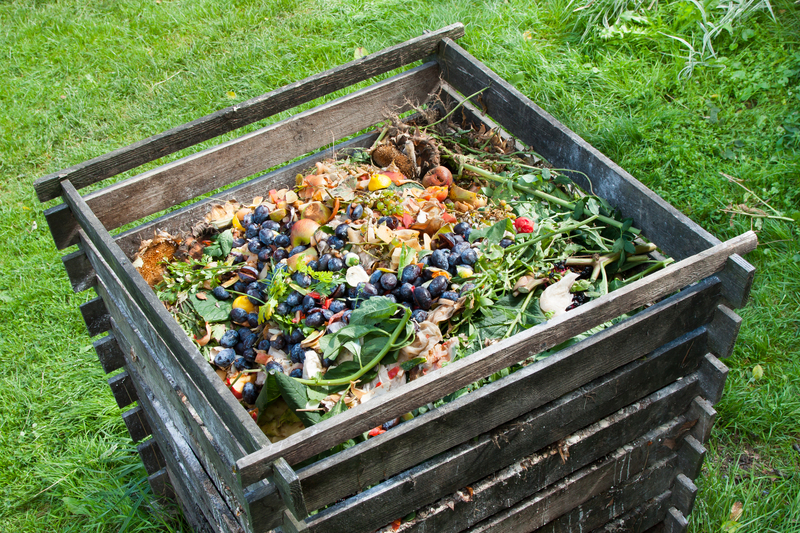
Composting
Introducing composting programs can turn organic waste into valuable fertilizer for school gardens. This not only reduces waste but also teaches students about the benefits of composting.
Water Conservation Measures
Rainwater Harvesting
Rainwater harvesting systems can be used to collect and store rainwater for various non-potable purposes, such as irrigation and flushing toilets. This reduces the demand on municipal water supplies.
Low-Flow Fixtures
Installing low-flow faucets, toilets, and urinals can significantly reduce water usage in school facilities.
Green Infrastructure
Green Roofs
Green roofs not only provide insulation but also reduce runoff and create green spaces for educational activities and relaxation. They can also help in lowering the school's overall carbon footprint.
School Gardens
Creating school gardens can be a multifaceted educational tool. Students learn about agriculture, biology, and sustainability while contributing to a greener environment.
Pros and Cons
Pros:
- Reduced operational costs
- Enhanced environmental stewardship
- Improved student health and learning environments
- Educational opportunities in sustainability
Cons:
- High initial investment costs
- Maintenance and operational complexities
- Possible disruptions during installation periods
Tips for Implementing Sustainable Solutions
- Start with an energy audit to identify key areas for improvement.
- Engage stakeholders, including students, teachers, and parents, to ensure community-wide involvement.
- Seek external funding and grants specifically aimed at sustainable projects.
- Implement pilot projects before scaling up to identify potential challenges.
- Promote a culture of sustainability within the school through workshops and campaigns.
Key Takeaways
- Sustainable school project solutions offer environmental, economic, and social benefits.
- Energy efficiency, waste management, water conservation, and green infrastructure are key areas to focus on.
- While there are initial costs and complexities, the long-term benefits outweigh these challenges.
- Community involvement and a phased approach can ease the implementation process.
Conclusion
Adopting sustainable school project solutions is a forward-thinking approach that serves dual purposes: fostering a healthier environment and preparing the next generation for a sustainable future. The initial investment and effort required are balanced by the long-term gains in cost savings, enhanced learning environments, and positive community impact. By taking incremental steps and engaging the entire school community, the journey toward sustainability becomes not only attainable but also transformative for all involved.
Latest Posts
How Does Composting Help the Environment?
Sustainable School Project Solutions
Enhance Business Efficiency with Waste Collection