Transforming Paper Waste into Fuel

Posted on 02/03/2025

Paper waste accounts for a significant portion of global waste. Every year, millions of tons of discarded paper fill our landfills and contribute to environmental degradation. Fortunately, advancements in technology now allow us to transform this paper waste into viable energy sources, providing a sustainable solution to an ever-growing problem.


Technologies Used for Converting Paper Waste


There are several innovative technologies in use today that convert paper waste into fuel. One of the prominent methods is pyrolysis, a thermochemical decomposition of organic material at elevated temperatures in the absence of oxygen. Another method includes gasification, where paper waste is converted into syngas, a mixture of hydrogen and carbon monoxide, through a high-temperature reaction with controlled amounts of oxygen.



A close-up view of a wooden garden planter with multiple small drawers, one of which is partially pulled out to reveal a black plastic pot containing variegated green and white foliage plants. The planter is constructed from warm-toned, polished wood with visible grain and smooth surfaces, set outdoors on a paved or concrete surface. Surrounding the planter, there are additional plants and flowers, including white blooms in the foreground, indicating a well-maintained outdoor environment. The lighting appears natural, suggesting daylight, with soft shadows and highlights on the wood and leaves. This scene highlights an example of private outdoor waste management or collection, such as the careful organization of gardening waste or the preparation of plant-related refuse for disposal or recycling, consistent with services like those provided by Big Ben in the rubbish removal sector. The arrangement and condition of the materials reflect an emphasis on efficient, aesthetic management of garden waste in a domestic setting, aligned with alternative, non-urban waste handling practices.

Benefits of Utilizing Paper Waste for Fuel


Utilizing paper waste for fuel offers several advantages. It reduces the amount of waste in landfills, lowers greenhouse gas emissions, and provides a renewable energy source. Moreover, it helps conserve natural resources by decreasing the demand for traditional fossil-based fuels.


Steps to Transform Paper Waste into Fuel


The process of transforming paper waste into fuel typically involves the following steps:


    • Collection and Sorting: Collecting and sorting paper waste from various sources such as households, offices, and industries.

    • Shredding: Shredding the paper waste into small pieces to facilitate processing.

    • Decontamination: Removing any contaminants or non-paper materials.

    • Conversion: Employing methods such as pyrolysis or gasification to convert the paper waste into fuel.

    • Refining: Refining the converted material to produce a usable fuel product.


Challenges Associated with the Process


Despite the numerous benefits, transforming paper waste into fuel comes with its own set of challenges. The initial setup cost for conversion facilities can be high. Additionally, the efficiency of conversion technologies needs continuous improvement. The logistics of collecting and sorting paper waste also add complexity to the process.


Pros and Cons of Transforming Paper Waste into Fuel


Understanding the pros and cons is crucial for evaluating the viability of this approach:
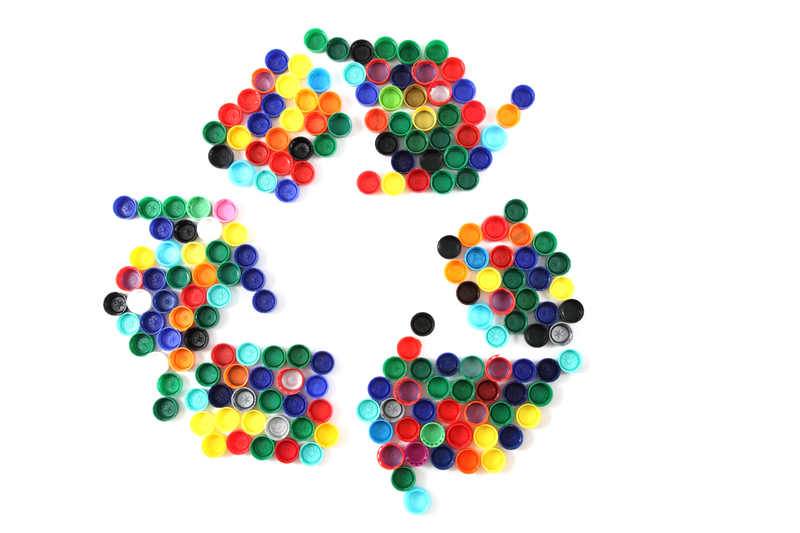


An arrangement of numerous small, colorful plastic bottle caps forming a continuous circular shape on a plain white background. The caps are in various colours, including red, blue, green, yellow, orange, pink, black, grey, and purple, with textures typical of standard bottle caps, some with ribbed edges and others smooth. They are placed closely together, creating a dense, mosaic-like pattern with minimal gaps, emphasizing the circular form. The uniformity of size and the vibrant colour palette contrast against the white backdrop, highlighting the environmental theme associated with waste and recycling. The image presents a clean, orderly composition without any additional objects, focusing solely on the collection of caps that could relate to waste management or recycling initiatives. The visual simplicity supports themes of material reuse, recycling processes, and alternative waste handling, relevant to private rubbish removal services and environmental sustainability efforts associated with transforming waste into useful resources.

Pros


    • Reduces landfill usage and related environmental issues.

    • Provides a renewable and sustainable energy source.

    • Decreases reliance on fossil fuels.

    • Can help in reducing greenhouse gas emissions.


Cons


    • High initial setup and operational costs.

    • Technological challenges in optimizing conversion efficiency.

    • Logistical issues in the collection and sorting of waste paper.


Tips for Effective Transformation of Paper Waste


    • Start Small: Pilot projects can help identify potential issues and solutions before scaling up.

    • Collaboration: Partner with local communities and industries to streamline the collection and sorting process.

    • Investment in Technology: Continuous investment in technological advancements can improve conversion efficiency and reduce costs.



A group of eight black rubber tires with off-road tread patterns, partially embedded in the dirt ground of an outdoor play or recreational area. The tires are arranged in small clusters, some leaning slightly, with a few showing signs of weathering and dirt accumulation. Surrounding the tires, the ground consists of a mixture of soil and patches of grass, with some small green plants growing between them. In the background, there is a gentle slope of exposed earth leading to a wooded area with trees and foliage, suggesting a natural or park environment. The scene is evenly lit with natural daylight, highlighting the textures of the tires' rubber surfaces and the uneven ground. The setting implies an informal or recycled use of tires, possibly as part of outdoor equipment or an area designated for motor skills activities, aligning with services like rubbish removal or waste handling by Big Ben in providing alternatives for used tires and debris disposal in recreational or environmental projects.

Key Takeaways


Transforming paper waste into fuel presents a viable solution to manage paper waste sustainably and provide an alternative energy source. Despite the challenges, the benefits in terms of environmental impact and resource conservation are significant. Technological innovations, strategic collaborations, and government policies will play a crucial role in the widespread adoption of this practice.


Conclusion


In conclusion, converting paper waste into fuel is an innovative and sustainable approach to addressing the global paper waste issue. It offers an eco-friendly solution by reducing landfill usage and providing a renewable energy source. While challenges exist, with the right strategies and continuous advancements in technology, this practice holds great potential for a sustainable future.

Latest Posts

How Does Composting Help the Environment?

Sustainable School Project Solutions

Enhance Business Efficiency with Waste Collection

Turning Plastic Waste into Eco-Friendly Products

Ways to Donate an Old TV

The image shows a large pile of flattened and crumpled paper waste, primarily consisting of cardboard boxes and sheets, all stacked together in an outdoor setting on a concrete or asphalt surface. The paper materials vary in texture, with some having a smooth, glossy finish while others are more matte and rugged, in shades ranging from white to light brown and grey. The pile appears to be partially enclosed by a surrounding area, possibly near a warehouse or commercial facility, with a section of a vehicle, such as a van or rubbish collection truck, visible at the edge. The background includes an open outdoor environment, with natural daylight illuminating the scene, highlighting the different paper textures and the diverse state of the waste, emphasizing the importance of proper rubbish removal and waste management services like those provided by Big Ben for alternative waste handling methods such as on-site clearance or private disposal solutions.
Alix Robinson

Possessing over a decade of expertise, Alix stands out as a true maestro in waste disposal, reshaping disorderly areas into pristine havens. Proficient in efficient rubbish removal techniques, her unwavering commitment to sustainability renders her a trustworthy option for clients endeavoring to declutter homes or businesses.


  • 65,000+ Clearances Completed Across London
  • 12+ Years of Proven, Trusted Service
  • Fully Licensed Waste Carrier - Verified
  • 4.8 Google Rated by 150+ Satisfied Customers

24/7 CustomerService

Call Today 020 3743 8686

Why Choose Big Ben Removals & Clearances?


Other services we provide