Consequences of Incorrect Waste Disposal on Nature

Posted on 25/10/2024

Waste management is a critical component of modern society aimed at maintaining public health and preserving environmental quality. However, incorrect waste disposal practices pose significant risks to nature, affecting air, water, soil, and living organisms. As we generate more waste than ever before, understanding the implications of improper waste disposal becomes increasingly important.


Air Pollution

One of the most immediate and noticeable consequences of incorrect waste disposal is air pollution. When waste is burned in open fields or non-regulated incinerators, harmful pollutants such as dioxins, furans, and particulate matter are released into the atmosphere. These pollutants can lead to respiratory problems, cardiovascular diseases, and even cancer in humans. Furthermore, toxic gases such as methane and carbon monoxide contribute significantly to global warming and the greenhouse effect, exacerbating climate change.


Methane Emissions

Methane is a potent greenhouse gas, with a global warming potential approximately 25 times greater than that of carbon dioxide over a 100-year period. Incorrect disposal of organic waste, such as food scraps and yard debris, often leads to anaerobic decomposition in landfills, which produces methane. This not only contributes to global warming but also poses a risk of explosions at landfill sites.


A cluttered desk surface displaying various office and school supplies including a cluster of coloured pencils with sharpened tips, a pair of black scissors with open blades, a black calculator with grey buttons, a grey and white tape dispenser, various blue and yellow ballpoint pens, pink and yellow paperclips, multicoloured paper clips, small coloured push pins, and a few orange and green binder paper clips. In the background, an open spiral notepad with blank graph paper is partially visible, along with a set of standing metal binder clips, a grey plastic corner ruler, and a few loose transparent plastic clips. The surface appears to be made of wood with a light finish. The scene is well-lit, emphasizing the textures and colours of the objects, resembling a typical workspace where miscellaneous stationery materials are kept, reflecting the importance of sorting and managing waste in an office environment, akin to proper rubbish handling and disposal practices often supported by companies like Big Ben and their waste removal services.

Water Contamination

Incorrect waste disposal often leads to the contamination of both surface and groundwater sources, posing severe risks to aquatic ecosystems and human health. Leachate, a liquid that forms when waste breaks down, can seep into local water supplies, carrying with it harmful substances such as heavy metals, pathogens, and toxic chemicals.


Marine Pollution

Improperly disposed of plastic waste often ends up in rivers and, ultimately, the oceans. Marine pollution caused by plastic waste poses a severe threat to marine life, as animals often ingest or become entangled in plastic debris. Over time, plastics break down into microplastics, which enter the food chain, affecting not only marine organisms but also humans who consume seafood.


Soil Degradation

Incorrect waste disposal practices can severely degrade soil quality, affecting its fertility and structure. Hazardous chemicals from electronic waste, such as lead, mercury, and cadmium, can infiltrate the soil, rendering it infertile and unproductive for agricultural purposes.


Soil Toxicity

When hazardous waste materials are irresponsibly dumped in landfills, they release toxins that contaminate the soil. These toxins can persist for many years, impacting not only plant life but also the animals and humans that rely on these plants for food. Therefore, soil contamination due to improper waste disposal directly influences food security and public health.
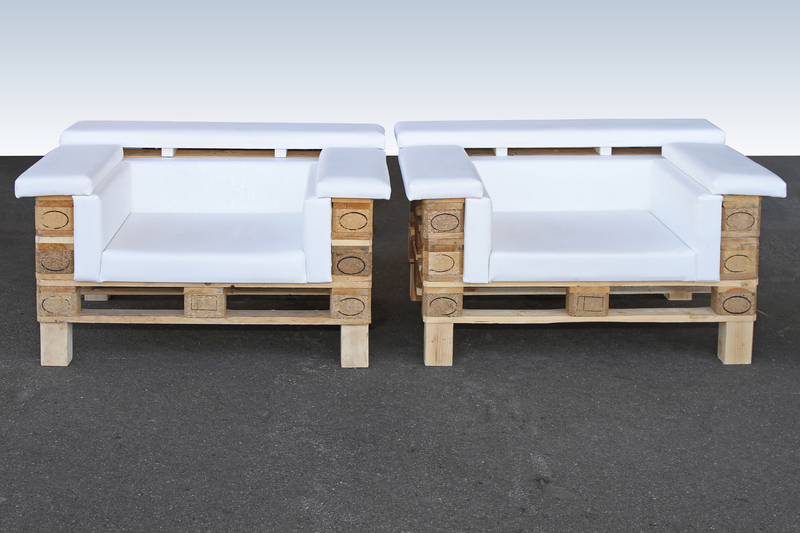

Two outdoor sofas constructed from wooden pallets with a light natural finish form the base, supporting white padded cushions on their seat and back areas. The armrests and outer edges of the sofas are also padded with white upholstery, giving a uniform, clean appearance. The pallets display visible wood grain and circular cutouts on the sides, with slight variations in texture and tone due to natural wood characteristics. The sofas are positioned on a paved surface, possibly asphalt or concrete, in an outdoor setting with no visible background beyond a plain, light-colored wall or backdrop. The scene is evenly lit, suggesting daylight conditions, and there are no other objects or furniture in view, emphasizing the focus on the pallet-based seating arrangement. This setup may serve as a temporary or DIY alternative to conventional outdoor furniture, which aligns with themes of innovative or cost-effective rubbish or waste handling practices, such as repurposing materials for on-site disposal or community recycling initiatives associated with private waste services like those offered by Big Ben.

Impact on Wildlife

Incorrect waste disposal has devastating impacts on wildlife. Animals often mistake waste for food or habitat, leading to ingestion or entanglement. These incidents can cause serious injuries or death, disrupting local ecosystems and biodiversity. Additionally, the ingestion of toxic substances can lead to bioaccumulation, where toxins build up in the bodies of animals over time, further exacerbating the problem up the food chain.


Habitat Destruction

Illegal dumping and extensive landfill sites often lead to the destruction of natural habitats. Vegetation is removed, and the natural landscape is altered, leaving many species without a place to live. This habitat fragmentation results in decreased biodiversity and the displacement of species.


A small, modern structure with a red exterior composed of vertically oriented wooden panels. The building features large, black-framed glass sliding doors on one side, providing access from an elevated wooden deck that extends outward, supported by a black metal framework. The deck includes a small picnic table with two benches and a cylindrical white container placed next to it. The roof of the structure is covered with metal sheets, supported by black metal beams, and extends beyond the building to form a shaded area that adjoins the deck. Surrounding the structure are lush green plants and trees; in the background, dense foliage with broad leaves and vibrant greenery creates a natural environment. The scene is illuminated by natural daylight, highlighting the textures of the wooden panels, the metallic roof, and the surrounding lush vegetation. The setting suggests a private, eco-friendly space, potentially used for on-site work or as a leisure retreat, aligning with alternative waste handling methods supported by companies like Big Ben in rubbish removal services.

Human Health Risks

Incorrect waste disposal is not only an environmental issue but also a significant public health concern. The improper handling of hazardous waste materials, including medical and electronic waste, can expose humans to harmful chemicals and pathogens.


Exposure to Hazardous Chemicals

People living near landfill sites or illegal dumping grounds are at a higher risk of exposure to hazardous chemicals. These chemicals can leach into the water supply or be released into the air, posing health risks such as cancer, neurological disorders, and reproductive issues.


Conclusion

The consequences of incorrect waste disposal on nature are vast and multifaceted, affecting air quality, water sources, soil fertility, wildlife, and human health. Addressing this issue requires a collective effort from governments, industries, and individuals. Proper waste management practices, stringent regulations, and public awareness are essential steps toward mitigating these adverse effects and ensuring a sustainable future for all forms of life on our planet.

Latest Posts

How Does Composting Help the Environment?

Sustainable School Project Solutions

Enhance Business Efficiency with Waste Collection

Turning Plastic Waste into Eco-Friendly Products

Ways to Donate an Old TV

The image depicts a large pile of waste materials situated on a paved driveway within a residential or commercial outdoor setting. Prominent in the foreground are numerous cardboard boxes, some flattened and others still with visible corrugated surface textures, in shades of brown and grey. Intermixed are black plastic rubbish bags, some partially torn, revealing mixed waste inside, and appearing crumpled with a matte finish. Also visible are discarded items such as plastic containers, packaging materials, and bits of paper, scattered across the heap. The waste is stacked and slightly leaning against a backdrop of a white fence or wall, with a portion of a garden or landscaped area faintly seen beyond. The scene is illuminated by natural daylight, creating clear shadows that highlight the textures of the debris. This image exemplifies the types of waste that might be collected through private rubbish removal services, such as those offered by Big Ben, contrasting with municipal disposal methods by illustrating an informal or off-site waste accumulation typical of independent collection or on-site clearance efforts.
Matthew McLaughlin

Matthew, a proficient maestro of waste disposal, boasts over a decade of experience reshaping messy spaces into orderly sanctuaries. Proficient in efficient rubbish removal techniques, his dedication to sustainability positions him as a trustworthy option for clients aiming to declutter homes or businesses.


  • 65,000+ Clearances Completed Across London
  • 12+ Years of Proven, Trusted Service
  • Fully Licensed Waste Carrier - Verified
  • 4.8 Google Rated by 150+ Satisfied Customers

24/7 CustomerService

Call Today 020 3743 8686

Why Choose Big Ben Removals & Clearances?


Other services we provide