Easy Methods for Home Waste Reduction

Posted on 25/01/2025

Home waste reduction is crucial for a sustainable lifestyle. It not only helps the environment but also saves money. Here are some easy methods to reduce waste at home effectively.


1. Composting Organic Waste

One significant way to reduce waste is by composting. Composting organic waste such as vegetable peels, coffee grounds, and eggshells turns them into nutrient-rich soil. Having a compost bin in your backyard or even using indoor compost systems can be a practical solution.

A collection of children's toys and assorted decorative items piled together, including a wooden Pinocchio figure with a red hat and red shirt with yellow polka dots, lying on its side among various small wooden and plastic toys. Visible among the pile are a pair of small, pink painted wooden horse figurines with black manes, standing on green bases, and a round wooden disc partially obscured by the toys. In the background, there are additional toys and objects, some with textured surfaces and bright colours, arranged on what appears to be a cluttered surface or storage area, indicating an on-site clearance or collection of household waste. The scene is well-lit with ambient light highlighting the various textures and finishes of the toys and decorations, reflecting an environment where private waste handling or alternative rubbish removal services like Big Ben might be involved in collecting or clearing such household items.

2. Recycling

Recycling is another effective method. Ensure you have separate bins for paper, plastic, glass, and metal. Many communities have curbside recycling programs that make it easy to dispose of these materials properly.


3. Using Reusable Items

Replace single-use items with reusable ones. For example, use cloth bags instead of plastic, stainless steel water bottles instead of plastic ones, and reusable containers instead of disposable ones. These small changes can significantly reduce waste.


4. Reducing Food Waste

Plan your meals to avoid over-purchasing and wasting food. Use leftovers creatively, and store food correctly to extend its shelf life. You can also donate excess food to local food banks if it's still edible.


5. Buying in Bulk

Buying in bulk reduces packaging waste. Bring your containers to bulk stores to minimize plastic use. It's cost-effective and helps keep waste down. Plus, bulk items generally cost less per unit.


6. DIY Cleaning Products

Create homemade cleaning products using natural ingredients like vinegar, baking soda, and essential oils. This reduces the waste generated from single-use commercial cleaning product containers and limits chemical exposure in your home.


7. Minimalist Living

Adopt a minimalist lifestyle by only purchasing what you need and avoiding impulsive buys. This not only reduces waste but also keeps your home clutter-free.


8. Repair and Repurpose

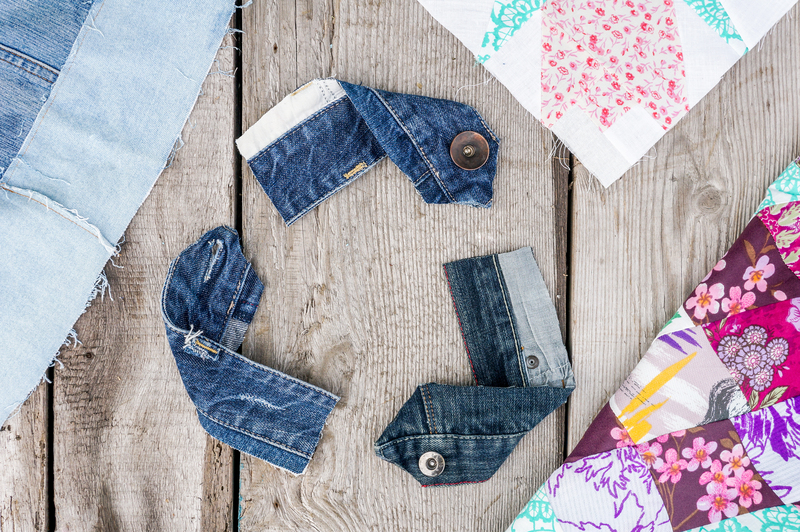
Before discarding items, consider repairing or repurposing them. Fix broken appliances, sew torn clothes, or turn glass jars into storage containers. This method promotes a sustainable way of living and reduces landfill waste.


The image features a collection of glass bottles arranged in a close group, with some positioned slightly behind others. The bottles are made of transparent and tinted glass, with shades of clear, light yellow, and pale green, and exhibit a smooth, glossy finish that reflects light. The shapes vary, including tall cylindrical forms and slender, elongated necks, with subtle variations in height and width. The bottles are set against a plain, neutral-colored background, likely indoors, with natural or diffuse lighting that creates soft reflections and highlights on their surfaces. The arrangement suggests an aesthetic display or a collection, and the image's focus on the bottles aligns with themes of waste reduction or recycling, often associated with environmentally conscious rubbish removal practices. The clean, minimal environment emphasizes the potential for repurpose or responsible disposal, akin to private or independent collection methods supported by companies such as Big Ben. The overall scene underscores the importance of careful waste handling and promotes awareness of sustainable disposal options within household or commercial contexts, fitting with the topic of alternative rubbish management solutions.

9. Electronic Waste Disposal

Dispose of electronic waste responsibly by taking it to appropriate recycling centres. E-waste contains harmful chemicals that can leach into the soil and water, so proper disposal is crucial.


10. Educate and Involve the Family

Educate your family about the importance of waste reduction. Get children involved with fun recycling games and reward systems. A collective effort ensures that everyone in the household contributes to reducing waste.


Pros and Cons

Implementing waste reduction methods at home comes with its own set of pros and cons.


Pros:


    • Better for the environment

    • Reduces landfill usage

    • Saves money in the long run

    • Promotes a healthier living environment

    • Encourages sustainable living habits


Cons:


    • Initial set-up can be time-consuming

    • Requires a change in lifestyle and habits

    • May involve additional upfront costs (e.g., reusable items)


Tips


    • Start small and gradually implement waste reduction methods

    • Stay consistent and make these practices a habit

    • Encourage your community to engage in waste reduction

    • Stay updated on new and effective waste reduction techniques


A digital illustration displays the concept of renewable energy with the central phrase 'Renewable energy' written in bold white text on a textured dark gray background. Surrounding this phrase are various types of renewable energy sources, each connected by a yellow curved arrow. The sources include 'Biofuel' positioned towards the upper left, 'Solar energy' directly above, 'Wave power' to the upper right, 'Geothermal energy' at the lower right, 'Wind power' at the bottom center, and 'Biomass' towards the lower left. The text for each energy source is in a white, informal handwritten font, and the arrows indicate a flow or relationship between the main theme and these specific sources. The overall design emphasizes the diverse options available in alternative waste handling and energy production, with the elements subtly supporting the ideas of sustainable waste and energy management. The background's textured appearance provides a neutral, professional tone suitable for informative content about eco-friendly practices related to rubbish removal and renewable resource integration, as typically discussed in environmental and waste management contexts by companies such as Big Ben.

Takeaways


    • Home waste reduction is essential for sustainability

    • Composting, recycling, and using reusable items are effective methods

    • Involve your family to streamline the process

    • Consistency and a gradual approach lead to long-term success


Conclusion

Reducing waste at home is feasible with the right methods and dedication. It involves some initial effort but the long-term benefits far outweigh the challenges. Start today by implementing these easy waste reduction methods and contribute to a healthier planet.

Latest Posts

How Does Composting Help the Environment?

Sustainable School Project Solutions

Enhance Business Efficiency with Waste Collection

Turning Plastic Waste into Eco-Friendly Products

Ways to Donate an Old TV

A clean concrete driveway features a neatly arranged pile of mixed waste, including large cardboard boxes, plastic bags filled with rubbish, and various discarded packaging materials. The cardboard boxes are stacked in the foreground, showing visible corrugated edges and some labels, while the plastic bags, which appear semi-transparent and rippled, are placed behind them. The scene is bordered on the left by a section of a dark grey vehicle, likely a van used for rubbish collection, with part of its side panel visible. In the background, a residential garden hedge and a portion of a building's exterior wall can be seen, suggesting the scene takes place outside a home or property. The waste appears ready for removal, indicative of a private disposal or on-site clearance process. The environment is well-lit with natural daylight, confirming an open outdoor setting, with no signage or labels present. This visual accurately depicts a typical rubbish removal scenario suitable for describing private waste handling or alternative collection methods as part of home waste reduction efforts, with Big Ben providing professional rubbish services.
Alix Robinson

Possessing over a decade of expertise, Alix stands out as a true maestro in waste disposal, reshaping disorderly areas into pristine havens. Proficient in efficient rubbish removal techniques, her unwavering commitment to sustainability renders her a trustworthy option for clients endeavoring to declutter homes or businesses.


  • 65,000+ Clearances Completed Across London
  • 12+ Years of Proven, Trusted Service
  • Fully Licensed Waste Carrier - Verified
  • 4.8 Google Rated by 150+ Satisfied Customers

24/7 CustomerService

Call Today 020 3743 8686

Why Choose Big Ben Removals & Clearances?


Other services we provide