Effortless Waste-Cutting Moves
Posted on 29/10/2024
In today's rapidly consuming society, waste reduction has become an imperative. Attaining a sustainable lifestyle through efficient waste-cutting measures isn't just good for the environment--it can also simplify your life and shrink your expenses. While strategizing for a zero-waste lifestyle might seem daunting, several effortless methods can integrate seamlessly into daily routines.
Understanding the Importance of Waste Reduction
Before diving into specific strategies, it's crucial to comprehend why waste reduction is essential. The overproduction and improper disposal of waste contribute significantly to environmental pollution, leading to various detrimental effects such as soil degradation, water contamination, and biodiversity loss. By reducing waste, we not only minimize landfill usage but also conserve precious resources and energy. Furthermore, waste reduction can lead to financial savings and a more organized, clutter-free living space.

Adopt the 5 R's: Refuse, Reduce, Reuse, Recycle, and Rot
The 5 R's of waste reduction form a foundational guideline for implementing waste-conscious practices:
- Refuse: Say no to items that contribute to waste, such as single-use plastics and excessive packaging.
- Reduce: Cut down on consumption. Opt for quality over quantity and buy only what you need.
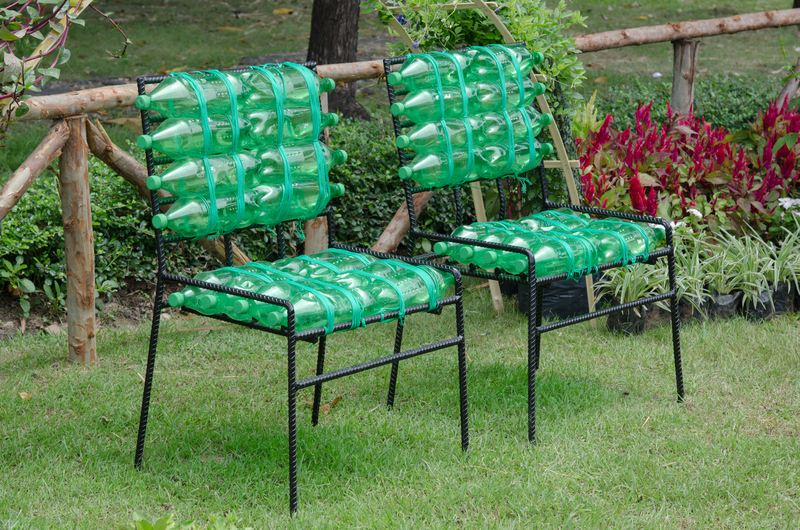
- Reuse: Find new purposes for old items instead of discarding them--think reusable containers and repurposed furniture.
- Recycle: Properly sort and send recyclable materials to the appropriate facilities.
- Rot: Compost biodegradable waste like food scraps and yard debris to return nutrients to the soil.
Effortless Household Waste-Cutting Moves
Let's explore practical and straightforward methods to reduce waste within your household:
1. Mindful Shopping
Begin by adopting a more conscious approach to shopping. Carry reusable bags and containers to avoid plastic bags and single-use packaging. Look for bulk food stores that allow you to bring your containers, reducing waste from pre-packaged goods. Additionally, prioritize products with minimal packaging or packaging made from recycled materials.
2. Optimize Food Storage
Food waste is a significant contributor to household waste. Effective storage can dramatically extend the lifespan of food items:
- Airtight Containers: Use glass or BPA-free plastic containers to store leftovers and dry goods.
- Reusable Beeswax Wraps: A sustainable alternative to plastic wrap, beeswax wraps can keep food fresh.
- Fridge Organization: Clearly label and arrange items in your refrigerator so nothing gets lost or forgotten.
- Meal Planning: Plan your meals and shop accordingly to avoid over-buying and the subsequent spoilage of food.
3. Home Composting
Composting is an excellent method to manage organic waste. Whether you have a backyard or live in an apartment, various composting solutions are available:
- Traditional Compost Bins: Ideal for garden spaces to turn kitchen scraps and yard waste into valuable compost.
- Vermicomposting: Use worms to compost food scraps in smaller spaces like apartments. This is a fast and efficient method.
- Bokashi Composting: An anaerobic system that breaks down food waste using beneficial microbes, suited for indoor usage.
Effortless Office Waste-Cutting Moves
Your workplace is another arena where waste-cutting practices can be implemented effortlessly. Here are some suggestions:
1. Digital Documentation
Opt for digital files over printed documents to cut down paper waste. Use e-signatures and cloud storage solutions to manage documents. This not only reduces paper usage but also streamlines the accessibility and sharing of information.
2. Energy and Resource Saving
Use energy-efficient appliances and lighting. Ensure to turn off electronics and lights when they are not in use. Providing employees with reusable office supplies, such as pens made from recycled materials and refillable notebooks, also helps cut down waste.
3. Green Meetings
Encourage the use of digital meeting platforms and shared documents instead of printed agendas and handouts. If food is provided during meetings, opt for caterers who use minimal packaging and provide compostable utensils and plates.

Effortless Waste-Cutting Moves for the Community
Community involvement amplifies the impact of waste reduction. Consider these strategies to promote waste-cutting at the community level:
1. Educational Campaigns
Initiate campaigns that educate residents about the importance of waste reduction and how they can contribute. Workshops, community events, and social media campaigns are effective ways to disseminate information.
2. Community Recycling Programs
Establish robust local recycling programs that make it convenient for residents to sort and recycle their waste. Provide clear guidelines and accessible drop-off locations to encourage participation.
3. Community Gardens and Composting
Support the development of community gardens and communal composting initiatives. These not only reduce waste but also promote local food production and foster a sense of community.
4. Repair Cafes and Swap Meets
Organize events where community members can repair broken items or exchange used goods instead of discarding them. These events can play a pivotal role in extending the lifecycle of products and reducing waste.
Conclusion
Effortless waste-cutting moves are not only beneficial for the environment but also make economic sense and enhance quality of life. By incorporating simple practices into your daily routine, such as mindful shopping, composting, and digital documentation, you can significantly reduce waste. Moreover, adopting these strategies at home, in the office, and within the community helps create a sustainable and responsible society. Remember, individual actions might seem small, but collective efforts lead to substantial change.
Start integrating these effortless waste-cutting moves today and make a positive impact on our planet. Every step counts, and by embracing a waste-conscious lifestyle, we contribute to a healthier and more sustainable future.
Latest Posts
How Does Composting Help the Environment?
Sustainable School Project Solutions
Enhance Business Efficiency with Waste Collection