Managing Kitchenware Waste

Posted on 01/07/2025

Kitchenware waste is an often overlooked aspect of household management. Kitchenware includes a wide array of tools and devices that facilitate meal preparation and dining. From utensils and cookware to small kitchen gadgets, managing kitchenware waste can help reduce environmental impact and promote a sustainable lifestyle.

Understanding Kitchenware Waste


Kitchenware waste can come from various sources. Broken utensils, outdated appliances, and the packaging of new kitchen tools all contribute to waste. Understanding the types of kitchenware waste we produce is the first step in managing it effectively.

A close-up view of a hand wearing a yellow rubber work glove, holding a partially tilted grey plastic container from which a yellowish liquid is flowing out. The container features a wide, rounded opening at the top with visible ridges and a smooth, slightly reflective surface. The background is plain white, emphasizing the action of pouring or emptying waste liquid. The image relates to waste handling and private collection services often associated with rubbish removal companies like Big Ben, demonstrating the process of discharging non-solid waste materials in a professional context relevant to managing kitchenware or chemical waste disposal.

Reducing Waste through Smart Purchases


One of the most effective ways to manage kitchenware waste is by making smart purchasing decisions. Investing in high-quality, durable kitchenware can reduce the need for frequent replacements. Opt for items made from sustainable materials such as stainless steel, bamboo, or glass instead of plastic.

Reusing and Repurposing Kitchenware


Reusing and repurposing old kitchenware is another excellent way to manage waste. For instance, old jars can serve as storage containers, and worn-out utensils can be transformed into decorative garden tools. This not only cuts down on waste but also saves money.

Recycling Kitchenware


Recycling is a crucial component of managing kitchenware waste. Many kitchen tools are made from recyclable materials like metal and glass. Familiarize yourself with local recycling guidelines to ensure proper disposal. Consider donating gently used kitchenware to local shelters or community centers.
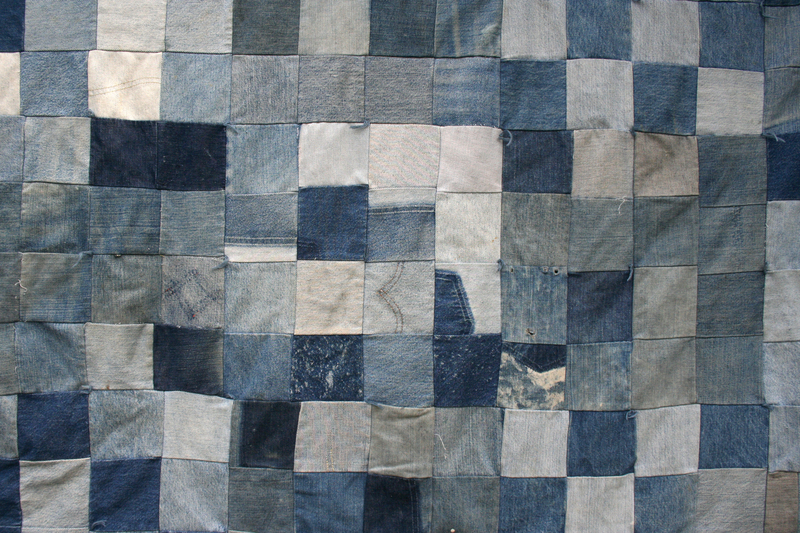
The image displays a large patchwork quilt composed of numerous small, square fabric pieces sewn together. The fabric pieces vary in shades of blue, grey, and beige, with some showing visible signs of wear, fading, or slight staining. The textures range from smooth and tightly woven to slightly frayed or distressed, suggesting a mix of materials like denim, canvas, or similar sturdy textiles. The quilt is spread out evenly, occupying the entire frame, and is situated in an indoor or covered environment, with no clear background context visible. The lighting is neutral, highlighting the varied textures and subtle color differences across the fabric patches. This detailed, textured surface exemplifies the kind of durable, repurposed materials often associated with waste management or upcycling efforts, aligned with the principles of private or alternative rubbish collection services, such as those offered by Big Ben in managing waste through non-standard disposal methods. The visual emphasis on patched fabric corresponds with themes of waste repurposing and environmentally conscious disposal practices, relevant to managing household or commercial textile waste.

Composting Kitchenware Waste


Composting is traditionally associated with food scraps, but certain kitchenware can also be composted. Bamboo utensils and wooden cutting boards, for example, can break down into nutrient-rich soil. Always ensure items are free of synthetic coatings before composting.

Tips for Managing Kitchenware Waste


1. Buy High-Quality Items: Invest in durable, long-lasting kitchenware.
2. Repair Before Replacing: Fix broken items whenever possible instead of immediately buying new ones.
3. Donate or Sell Usable Items: Pass on items that are still in good condition.
4. Choose Multi-Functional Tools: Reduce the need for multiple gadgets by selecting multi-use kitchenware.

Pros and Cons of Managing Kitchenware Waste


Pros:
- Environmental Impact: Reduces waste in landfills and lowers carbon footprint.
- Cost Savings: Saves money in the long run by reducing the need for frequent replacements.
- Resource Conservation: Conserves resources by reducing the demand for new products.

Cons:
- Time and Effort: Requires effort to repair, repurpose, and properly recycle items.
- Initial Cost: Higher upfront cost for quality items can be a barrier for some.
- Space: May need storage space for items waiting to be repurposed or recycled.
A stylised illustration of the Earth viewed from space, featuring a vibrant blue background with green landmasses and dotted blue oceans. Encircling the globe are simplified icons representing various aspects of sustainable energy and environmental preservation, including white wind turbines, brown and black houses with pitched roofs, green trees with broad canopies, and industrial chimneys emitting no smoke. The icons are evenly spaced around the globe, connected by thin black lines, forming a circle that emphasizes global environmental awareness and independent solutions for waste management and renewable energy. The overall design is clean, modern, and symbolises international efforts towards eco-friendly practices, aligning with themes of eco-conscious waste handling and alternative rubbish management services often promoted within sustainable waste solutions. This visual metaphor supports concepts of global responsibility for waste reduction and the importance of innovative approaches to rubbish collection and environmental impact mitigation.

Takeaways


- Managing kitchenware waste is vital for sustainability.
- Smart purchasing, reusing, repurposing, and recycling are key strategies.
- Awareness and effort can lead to significant environmental and financial benefits.

Conclusion


Managing kitchenware waste is an essential aspect of maintaining a sustainable household. By understanding the sources of waste, making smart purchasing decisions, and repurposing old items, we can significantly reduce our environmental footprint. Though it requires some effort, the benefits to the planet and our wallets make it a worthwhile endeavor. Embrace these practices, and contribute to a healthier, greener world.

Latest Posts

How Does Composting Help the Environment?

Sustainable School Project Solutions

Enhance Business Efficiency with Waste Collection

Turning Plastic Waste into Eco-Friendly Products

Ways to Donate an Old TV

The image depicts a large pile of assorted kitchenware waste placed on a paved outdoor surface, likely a driveway or roadside area, associated with a private rubbish collection service. The waste includes several damaged or discarded ceramic and plastic items such as plates, bowls, and utensils, some with visible cracks or chips, featuring glazed finishes in colours like white, cream, and light beige. Among the clutter, there are stainless steel pots and pans with reflective surfaces, and a mix of plastic containers in various shapes and sizes. The objects are haphazardly arranged, with larger items leaning against smaller ones, and some are partially covered by overlapping debris. In the background, a section of a warehouse or industrial building is visible, hinting at an environment used for on-site waste handling or collection operations. The scene is illuminated by natural daylight, with shadows cast across the items, emphasizing their textures and the contrast between different materials. This composition reflects an instance of independent kitchenware waste disposal, which may be managed by a waste removal specialist such as Big Ben for domestic or commercial clients seeking alternative rubbish clearing options beyond council collections.
Matthew McLaughlin

Matthew, a proficient maestro of waste disposal, boasts over a decade of experience reshaping messy spaces into orderly sanctuaries. Proficient in efficient rubbish removal techniques, his dedication to sustainability positions him as a trustworthy option for clients aiming to declutter homes or businesses.


  • 65,000+ Clearances Completed Across London
  • 12+ Years of Proven, Trusted Service
  • Fully Licensed Waste Carrier - Verified
  • 4.8 Google Rated by 150+ Satisfied Customers

24/7 CustomerService

Call Today 020 3743 8686

Why Choose Big Ben Removals & Clearances?


Other services we provide