Recycling Cardboard Materials

Posted on 01/01/2025

Cardboard recycling is an important aspect of waste management and environmental conservation. As one of the most commonly used materials for packaging, cardboard is ubiquitous in households and businesses alike. The importance of recycling cardboard cannot be overstated, as it helps to conserve resources, reduce landfill waste, and minimize environmental impact.

Why Recycle Cardboard?


Salvaging cardboard for recycling serves several critical functions. Firstly, it helps in reducing the strain on the earth's natural resources. Producing cardboard from recycled materials requires significantly less energy compared to manufacturing it from virgin timber. Secondly, it helps divert waste that would otherwise end up in landfills, thereby reducing methane emissions from decomposing organic material. Moreover, recycling cardboard reduces the demand for new raw materials, which in turn can help protect forests and reduce deforestation.

A collection of crumpled plastic bags in various pastel colors, including pink, yellow, blue, and white, arranged against a bright white background. The plastic bags are lightweight with a semi-transparent, glossy finish, showing wrinkles and folding patterns that highlight their thin, flexible material. The pink bag is positioned on the left side with its opening facing downward, while the yellow bag is situated at the top right, slightly overlapping the pink. The blue bag is in the lower right corner, also open and crumpled, with its handles forming a loose loop. The white bag is partially visible at the bottom left, less transparent and more flattened than the others. The bright lighting emphasizes the glossy texture and subtle transparency of each bag, creating a clean, minimalistic scene that subtly relates to waste management and rubbish disposal services offered by Big Ben, focusing on the handling and sorting of lightweight plastic waste in an organized manner.

Types of Cardboard


Cardboard comes in various types, the most common being:

- Corrugated Cardboard: Recognizable by its ridged inner layer sandwiched between two flat outer layers, it is commonly used for shipping boxes.
- Flat Cardboard: Often used for packaging smaller items like cereal boxes, shoeboxes, and tissue boxes.
- Paperboard: Thin cardboard primarily used in products like cereal boxes, soap packaging, and tissue boxes.

Understanding the types of cardboard can help in identifying what can be recycled and how to go about doing it.

The Cardboard Recycling Process


- Collection: The process begins with the collection of cardboard waste from homes, offices, and recycling facilities.
- Sorting: Collected cardboard is sorted based on types and grades of the material.
- Shredding and Pulping: The sorted cardboard is shredded into small pieces and mixed with water to create a pulp.
- Filtering and De-Inking: The pulp is then filtered to remove any foreign materials, and de-inking is performed to get rid of any inks or dyes.
- Pressing and Drying: The cleaned pulp is pressed to remove excess water and then dried to form new sheets of cardboard.

Tips for Effective Cardboard Recycling


- Flatten Boxes: Always flatten cardboard boxes to save space and make transportation easier.
- Remove Contaminants: Take out any non-cardboard materials such as plastic, foam, or tape before recycling.
- Keep It Dry: Wet cardboard can mold, making it unusable for recycling. Keep your cardboard dry and store it in a dry place.
- Follow Local Guidelines: Recycling requirements might vary by locality, so make sure to follow your local recycling guidelines.
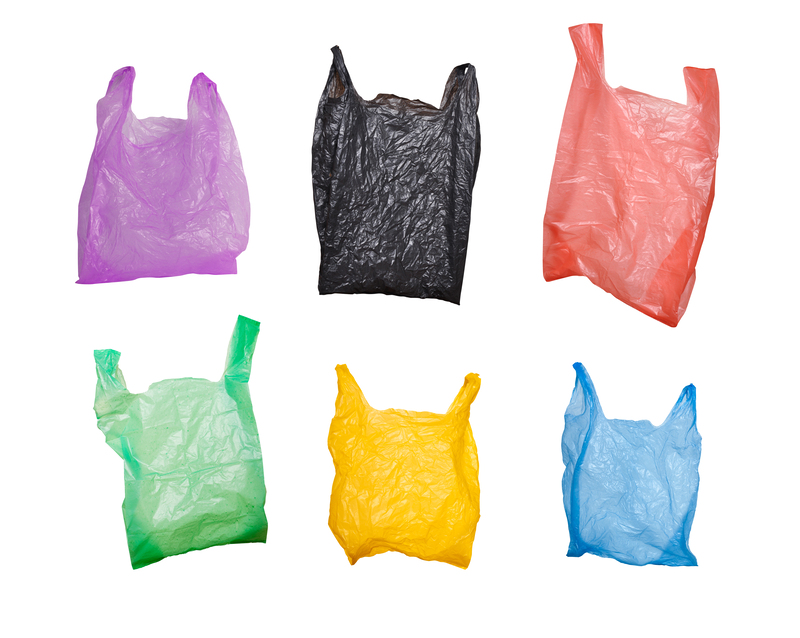
Six plastic rubbish bags of different colours are arranged on a plain white background in this image. From left to right, there is a purple bag positioned on the top row with a slightly crumpled texture, a black bag next to it showing a rough, wrinkled surface, and a red bag with a semi-transparent finish appearing slightly lifted at the top. On the bottom row, a green bag with a smooth, shiny surface is placed on the left, followed by a yellow bag that appears more crumpled and textured, and a light blue bag with a similar crinkled appearance. The bags are small and lightweight, typical for collection of household waste or recyclable materials, and are arranged in a neat, horizontal layout with even spacing. This setup suggests an indoor or outdoor environment associated with waste sorting or rubbish collection, which Big Ben’s rubbish removal services often support through independent or private waste handling alternatives, including the disposal of lightweight, recyclable plastic waste.

Pros and Cons of Recycling Cardboard


Pros


- Environmental Benefits: Reduces the need for new raw materials, conserving natural resources.
- Energy Savings: Recycling cardboard uses significantly less energy compared to making new cardboard from virgin materials.
- Reduction in Waste: Helps in reducing the amount of waste that ends up in landfills.
- Economic Incentives: Provides job opportunities in the recycling and manufacturing industry.

Cons


- Costs: Initial costs of setting up recycling facilities can be high.
- Contamination Issues: Cardboard contaminated with food waste or oils cannot be recycled.
- Transportation: Transporting cardboard to recycling centers can contribute to carbon emissions.

The image displays a collection of discarded electronic waste placed on a plain white background, featuring an outdated beige CRT computer monitor with a curved glass screen, a vintage beige desktop computer tower with its side panel removed revealing internal components, and a beige keyboard with visible keys and a wired connection. A white computer mouse is positioned in front of the keyboard, connected by a cable. Additionally, a small circuit board with green and metallic elements and a partially visible memory card are present near the base of the CPU. The open computer case exposes internal hardware, including circuit boards, wires, and cooling fans, indicating it is a piece of e-waste ready for disposal or recycling. The arrangement emphasizes the typical electronic waste associated with obsolete computer equipment that companies like Big Ben handle as part of their rubbish removal services, particularly when managing the recycling of electronic components and devices for environmentally responsible disposal.

Key Takeaways


- Recycling cardboard is a vital practice for conserving resources and protecting the environment.
- Familiarize yourself with the different types of cardboard and their recycling processes.
- Follow best practices such as flattening boxes, removing contaminants, and keeping cardboard dry.
- Recognize the pros and cons to understand the broader implications of cardboard recycling.

Conclusion


Recycling cardboard materials is an efficient way to minimize environmental impact and contribute to a more sustainable future. While there are challenges involved, the benefits far outweigh the downsides. By making the effort to properly recycle cardboard, you can play a significant role in reducing waste, conserving energy, and preserving natural resources for future generations.

Latest Posts

How Does Composting Help the Environment?

Sustainable School Project Solutions

Enhance Business Efficiency with Waste Collection

Turning Plastic Waste into Eco-Friendly Products

Ways to Donate an Old TV

A photograph showing a large pile of flattened cardboard boxes stacked on top of each other on a paved driveway or yard area. The cardboard varies in shades of light brown and has a textured, corrugated surface with visible ridges and creases, some with torn or uneven edges. The stack is arranged in the foreground, occupying most of the frame, while the background features a section of a vehicle, possibly a van or a truck, parked nearby, indicating a site for waste collection or removal. The environment appears outdoors with natural daylight illuminating the scene, creating soft shadows around the cardboard and the vehicle. The image overall depicts a typical scene related to private rubbish collection, where cardboard materials are prepared for disposal or recycling, aligning with services offered by companies such as Big Ben for efficient waste management and on-site clearance tasks involving cardboard and similar recyclable materials.
Ben Johnson

Ben Johnson leads Big Ben with a focus on innovation and efficiency in waste management. His leadership has propelled the company to prominence, implementing cutting-edge strategies for sustainable waste disposal. Under his guidance, Big Ben remains a trusted name in the industry.


  • 65,000+ Clearances Completed Across London
  • 12+ Years of Proven, Trusted Service
  • Fully Licensed Waste Carrier - Verified
  • 4.8 Google Rated by 150+ Satisfied Customers

24/7 CustomerService

Call Today 020 3743 8686

Why Choose Big Ben Removals & Clearances?


Other services we provide