Sustainable Waste Treatment Options
Posted on 26/09/2025
Sustainable Waste Treatment Options
In the contemporary world, the challenge of managing waste sustainably has never been more significant. Developing effective waste treatment options that minimize environmental impact is crucial for promoting ecological balance and public health. This article explores various sustainable waste treatment options that individuals, businesses, and communities can adopt to reduce their carbon footprint.
1. Composting
Composting decomposes organic matter naturally, turning kitchen scraps, garden trimmings, and similar waste into nutrient-rich soil. It is an effective way to recycle organic waste and reduce the volume of garbage sent to landfills.
Moreover, composting significantly lowers methane production, a greenhouse gas emitted from decomposing organic waste in landfills. By composting at home or on a larger community scale, we can transform waste into a valuable resource for gardening and agriculture.
2. Anaerobic Digestion
Anaerobic digestion is a process where microorganisms break down organic materials, such as food waste, manure, and agricultural residues, in an oxygen-free environment. This process produces biogas, a renewable energy source, and digestate, which can be used as a bio-fertilizer. Anaerobic digestion not only helps manage waste but also contributes to energy generation, making it a dual-purpose solution.
3. Recycling
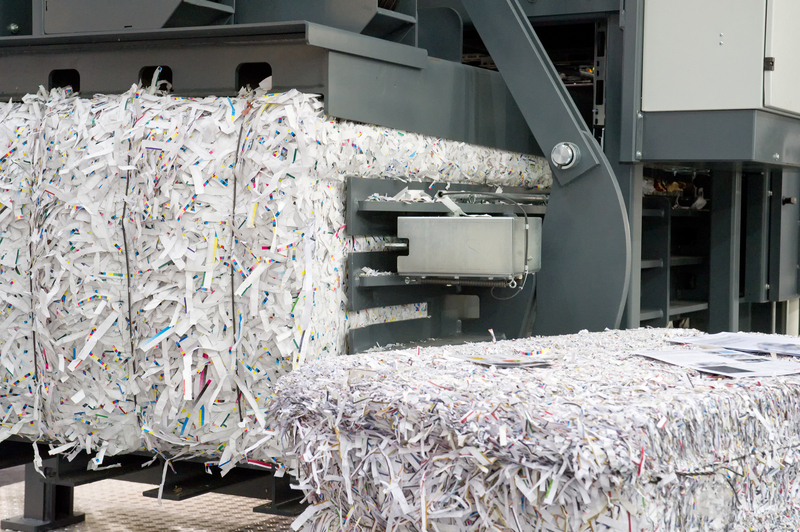
Recycling involves collecting and processing materials that would otherwise be discarded as trash and turning them into new products. Common recyclable materials include paper, glass, metal, and certain plastics. Recycling reduces the demand for virgin materials, conserves energy, and decreases greenhouse gas emissions. Effective recycling programs require proper waste segregation and public awareness to ensure maximum efficiency.
4. Waste-to-Energy (WtE)
Waste-to-Energy is a process that converts non-recyclable waste materials into usable heat, electricity, or fuel through various methods like combustion or gasification. WtE plants reduce the need for landfills, lower greenhouse gas emissions, and provide a viable energy source. However, ensuring that the emissions from WtE plants are controlled and non-toxic is critical for their sustainable use.
5. Mechanical Biological Treatment (MBT)
Mechanical Biological Treatment combines sorting, mechanical separation, and biological processes, such as digestion or composting, to manage waste. This method pre-treats waste to extract valuable materials and reduce the biomass that needs to be landfilled, hence cutting greenhouse gas emissions and conserving resources.
6. Reduce and Reuse
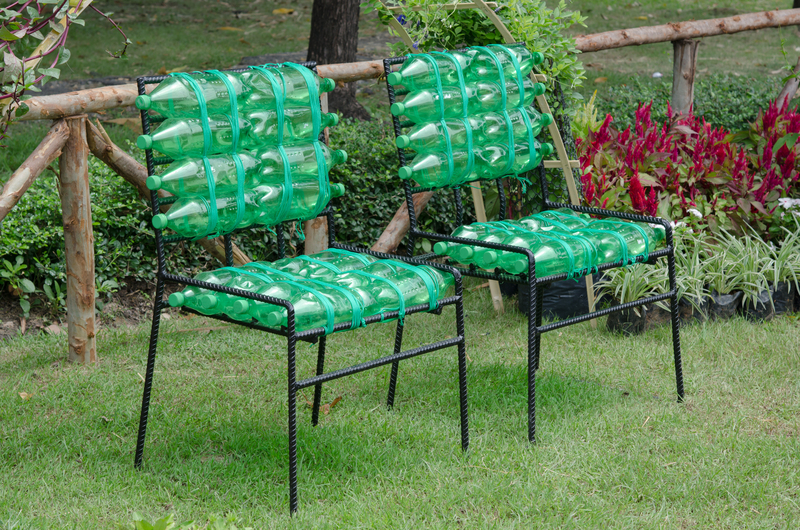
Before considering advanced treatment options, the most sustainable approach starts with reducing waste generation and reusing materials whenever possible. Simple steps include purchasing products with minimal packaging, using reusable bags and containers, and donating items rather than discarding them. By adopting a mindset focused on reduction and reuse, we minimize the initial volume of waste needing treatment.

Pros and Cons of Sustainable Waste Treatment Options
Each sustainable waste treatment option comes with its own set of advantages and challenges.
Pros:
- Promotion of environmental health and reduction of landfill use.
- Generation of renewable energy and valuable by-products.
- Conservation of natural resources through recycling and reduced demand for virgin materials.
- Reduced greenhouse gas emissions and improvement in air quality.
Cons:
- Initial setup and operational costs can be high for certain technologies like WtE and anaerobic digestion plants.
- Requires public education and proper waste segregation to be effective.
- Potential technical challenges and maintenance for advanced systems.
- Ensuring that emissions are non-toxic and managing by-products responsibly.
Tips for Sustainable Waste Management
- Start with reducing waste generation by opting for products with minimal packaging.
- Segregate waste at the source for more efficient recycling and treatment.
- Compost organic waste at home or participate in community composting programs.
- Support and use local recycling programs and facilities.
- Consider investing in renewable energy technologies, such as anaerobic digesters, where feasible.
- Educate your community about the benefits and methods of sustainable waste management.
Takeaways
Sustainable waste treatment options are essential for reducing environmental impact and promoting ecological balance. By incorporating methods like composting, anaerobic digestion, recycling, waste-to-energy, and mechanical biological treatment, we can effectively manage waste while generating renewable energy and conserving resources. Implementing tips such as reducing waste generation, proper segregation, and community education can make these solutions more effective.
Conclusion
In conclusion, sustainable waste treatment options offer practical and efficient ways to manage waste while supporting environmental sustainability. The combined benefits of reducing landfill use, generating renewable energy, conserving resources, and lowering greenhouse gas emissions make these methods indispensable in our fight against environmental degradation. By adopting these practices and promoting public awareness, we can significantly contribute to a healthier planet for future generations.
Latest Posts
How Does Composting Help the Environment?
Sustainable School Project Solutions
Enhance Business Efficiency with Waste Collection