How Does Composting Help the Environment?
Posted on 09/03/2026
Composting is an important practice that helps reduce the amount of waste sent to landfills while also creating a nutrient-rich soil amendment for gardens and potted plants. Composting has many environmental benefits that help to create a more sustainable future.
What is Composting?
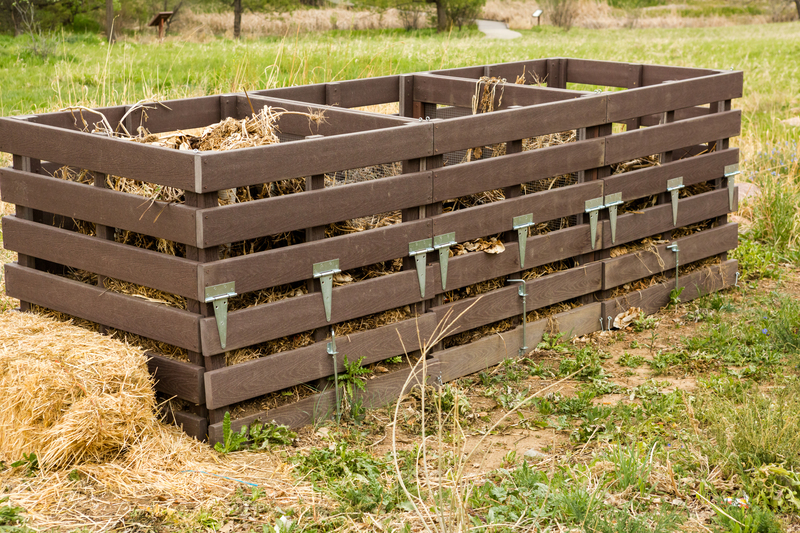
Composting is the decomposition of organic materials into a nutrient-rich soil amendment known as "humus" or compost. The process of composting involves breaking down organic material such as food scraps, yard waste, paper, and other biodegradable materials with oxygen, heat, and microorganisms to create a nutrient-rich soil conditioner. The byproduct of this process is a nutrient-rich humus which can be used to enrich any type of soil. Compost is high in essential plant nutrients like nitrogen, phosphorus, and potassium and contains beneficial bacteria and fungi that help improve the structure and fertility of the soil.

Why Compost?
Composting provides numerous environmental benefits by diverting potentially hazardous waste away from landfills and reducing methane gas emissions. In addition, composting requires minimal energy input while maximizing necessary nutrients back into the environment. Here are some key reasons why composting is beneficial for the environment:
1. Reduces Waste in Landfills
In the UK alone, up to 40% of household waste consists of organic material such as food scraps and yard trimmings - all of which are potential sources for composting. By composting on a regular basis, this organic material will break down safely and organically instead of taking up valuable space in landfills. As a result, less waste will end up in landfills where it produces damaging methane gas emissions or needs to be collected (usually with petrol) for transport to the landfill.
2. Helps Maintain Soil Fertility
Organic matter plays a critical role in maintaining healthy soil fertility since it helps retain water, increase microbial activity, store nutrients, and aerate soils so water can penetrate deeper into soils. Introducing these materials through composting into agricultural systems provides an inexpensive way to enrich soils without having to rely on synthetic fertilizers, which have been linked to health issues such as cancer or birth defects. Additionally, adding organic matter promotes greater crop yields since the contents are composed mostly of slow-release plant nutrients that help promote growth over time without burning delicate root systems or upsetting pH balance levels within soils.
3. Reduces Pollution
Composting not only reduces pollution from landfills but also helps combat air pollution caused by conventional fertilizers, which contain large amounts of nitrogen compounds that can emit nitrous oxide into the atmosphere - a powerful greenhouse gas that traps heat 300 times more effectively than carbon dioxide. Additionally, composting cuts back on water pollution since chemical fertilizers often leach out of soils and make their way into nearby bodies of water where they can disrupt fragile aquatic ecosystems.
4. Creates Jobs
The cost savings associated with composting creates jobs due to increased demand for workers in collecting suitable material for compost production as well as newer technologies needed to efficiently process the material into quality products at a rapid rate in order to meet commercial demands which require specialized equipment operators, industrial engineers, transportation logistics personnel, etc. With more jobs available people have more money to spend leading to further economic stimulation benefiting everyone involved.
5. Reinvigorates Natural Cycles
Compost is essentially Mother Nature's natural recycling system since it brings overlooked organic materials back into our environment as useful resources instead of just casting them aside as waste. This replenishes nutrients in depleted soils while bringing balance back into our local ecosystems by reintroducing organic matter, which had previously been removed from them, providing much-needed food sources for microbes, which consequently start feeding larger animals including us! Ultimately this life cycle serves as an important reminder of how everything we do has consequences either positive or negative, so it's best practice whenever possible to preserve natural cycles instead of disrupting them, so everyone benefits equally!
Conclusion
Composting is an important practice that should be utilized more often as it has several benefits, including reducing waste sent to landfills, maintaining soil fertility, reducing pollution and creating jobs, all while helping invigorate natural cycles! For those looking to get started on their own compost bin check with local government agencies or backyard garden centres who may offer advice on proper setup procedures specific to your area's climate conditions so you can begin reaping the rewards right away!
Latest Posts
How Does Composting Help the Environment?
Sustainable School Project Solutions
Enhance Business Efficiency with Waste Collection