What Goes Where? Waste Separation at Home

Posted on 23/01/2024

How to Waste Separation at Home
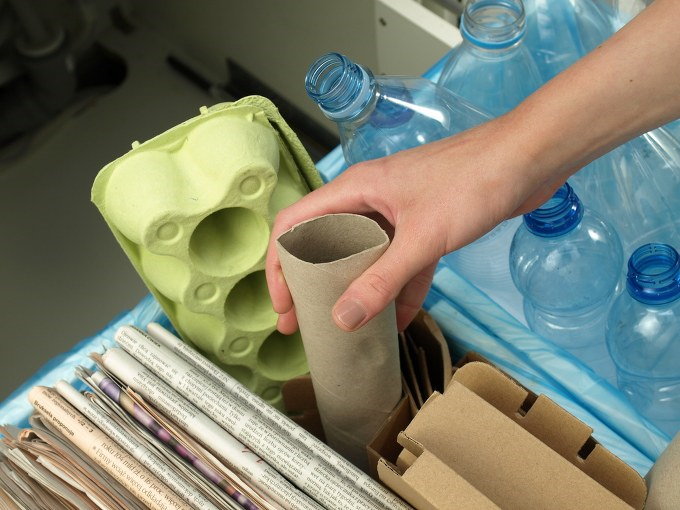
A close-up view of a person's hand holding a recycled cardboard tube, positioned over a collection of waste materials on a blue plastic surface. Surrounding the hand are several empty transparent plastic bottles with blue caps, arranged in a semi-circle. In the foreground, there are rolled-up newspapers and magazines, their pages displaying printed text and images, and a partially visible cardboard box. To the left, a green, textured egg carton made of a biodegradable material is visible, designed to hold multiple eggs. The background appears to be an indoor environment, possibly a workspace or sorting area dedicated to waste separation and recycling, supported by a label referencing a rubbish removal service. The scene emphasizes the process of segregating recyclable items, such as plastics and paper, which aligns with principles of waste separation at home or private disposal methods, often handled by independent waste collection providers like Big Ben.

Waste recycling is the new black, in case you did not know. There are various ways of handling it and the first step to it is doing the waste separation. That way, when the time for junk removal comes, you will know what you have for dumping in the waste disposal bin for the landfill, and what you can send for recycling with the proper rubbish collection service. You can organise your own waste in such a way that you can make the rubbish disposal much easier for both yourself and the clearance services you are using. It is a fairly simple method that involves a bit of preparation and rewards your home with order.
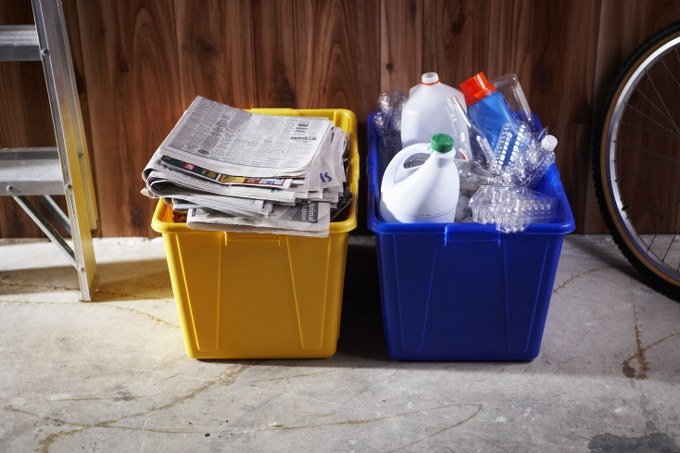
The image depicts two plastic recycling bins placed side by side on a concrete floor in front of a wooden panel wall, with a bicycle partially visible on the right. The left bin is bright yellow and contains a neatly stacked pile of newspapers and magazines, suggesting it is used for paper waste collection. The right bin is blue and filled with various empty plastic bottles, some with caps on, including clear, blue, and white bottles of different shapes and sizes, indicating it is designated for plastic waste. The environment appears to be a residential or garage area, with minimal background clutter, emphasizing an organized approach to waste separation. The lighting is natural or soft, providing clear visibility of the textures and colours of the materials. This scene exemplifies a common setup for private waste handling where different waste streams are segregated for recycling or disposal, aligning with practices of independent rubbish collection services or on-site waste separation methods supported by companies like Big Ben.

The Prep Work

Take six big containers. You decide what you want – boxes, crates, bins, buckets, etc. Just keep in mind that these containers will store all your waste, so make sure they are big enough to handle it until the waste collection team comes. Find a good spot for them – the garage would be nice, or somewhere outside the house, where it won’t get in the way, or there is no danger of anything getting damaged in bad weather. Make sure to add rubbish bags to each container. And then take either labels, or markers, or anything that will allow you to mark the containers.

The Containers

As mentioned, you will have a total of six. And here is what they should hold:
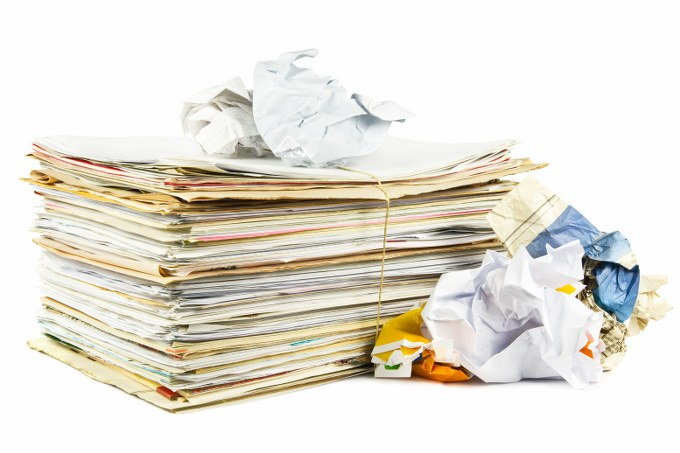
A large stack of assorted paper and cardboard waste, including crumpled sheets, folded documents, and loose, torn pieces, placed on a plain white background. The paper materials vary in color, with some pages showing yellowed or brownish edges indicating aging, and others being bright white or pale cream. The textures range from smooth, flat sheets to crumpled and wrinkled fragments, some held together with a rubber band. To the right of the stack, additional crumpled paper balls and torn sheets are present, creating a somewhat disorganized appearance. This scene illustrates typical paper and cardboard waste that could be collected through private rubbish removal services such as those provided by Big Ben. The minimal environment and focus solely on the paper waste emphasize the importance of proper disposal and separation at home, aligning with themes of waste management and alternative disposal options beyond local council collection. The lighting is even, highlighting the varying textures and colors of the waste materials, making the scene clear and accessible for viewers seeking information on rubbish removal or waste separation.

• Paper Waste: This container will take all your cardboard items, all newspapers and magazines, old notebooks or textbooks, writing and printing paper, paper packaging, flyers, envelopes, and so on. Books also fit this category, although you should never throw away books – at least donate them to a library or an antique bookstore.
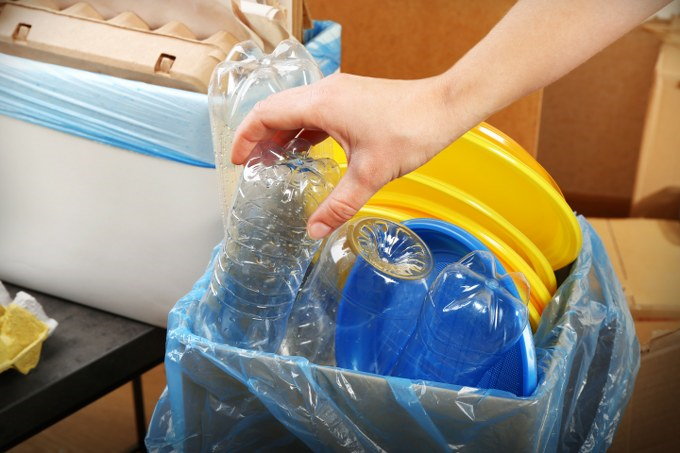
A person's hand is seen placing a clear, empty plastic bottle with a ridged surface into a blue rubbish sack lined with a transparent plastic bag. Nearby, there are several yellow and blue plastic lids resting on top of the sack, which appears to contain other waste items. The scene is set in an indoor environment, possibly a storage or sorting area, with a black surface on the left holding an object covered with brown paper and a blue item partially visible, suggesting organized waste separation or preparation for disposal. The lighting is neutral and even, highlighting the textures of the plastic bottles and lids, as well as the gloss of the plastic bag. The image relates to waste collection and disposal services, with a focus on recycling or waste separation practices, which could be managed by independent rubbish removal providers like Big Ben. The environment emphasizes the importance of proper waste sorting at home or in a small-scale waste management setting to facilitate efficient rubbish removal and recycling processes.

• Plastic Waste: This container will hold all of the plastic things you will throw away. It might be smart to make it big – plastic is among the most thrown away material in households. All your plastic bottles, cups, boxes, foils, milk cartons, yoghurt cups, and so on have to find their way here.

A collection of empty glass bottles and jars arranged upright on a plain white background, featuring various shapes, sizes, and colors. There are two green glass bottles, one standing tall on the right and another to the left, both with narrow necks and smooth finishes. Two clear glass jars are included, one positioned upright and the other lying on its side with a wide mouth, and both have smooth surfaces and transparent textures. Additionally, there are two additional bottles, one brown and one clear, with the brown bottle being taller and more slender, and the clear bottles having a similar narrow-neck shape. The bottles are in close proximity, with some slightly overlapping, and the scene is brightly lit, highlighting their glossy textures and transparent qualities. The arrangement of glass objects aligns well with waste separation themes, illustrating typical items handled during private waste collection or recycling of glass materials, with the image suggesting an ongoing process of sorting or preparing for disposal by a waste management service like Big Ben.

• Glass Waste: Every now and then families do throw away glass items. Glass beverage bottles and glasses, cracked jars, broken mirrors, etc. This container is for all of those. NB! Do NOT throw away light bulbs in here – apart from being made of glass, they also contain mercury, which is something that is to be disposed of in a different manner.
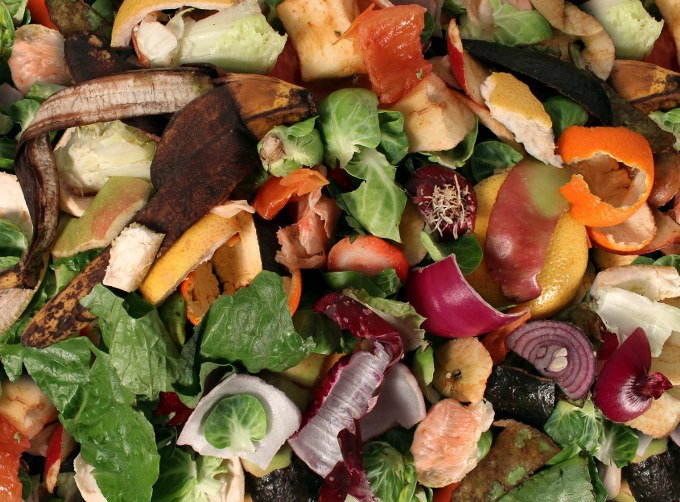
A close-up view of a pile of assorted vegetable scraps and organic waste, including pieces of lettuce, onion, carrot, and apple peels, with varying textures from leafy greens to smooth fruit skins. The waste appears to be chopped or torn, with some items displaying uneven edges and torn layers, indicating they are discarded kitchen leftovers. The colors range from vibrant green and orange to deep purple and pale beige, highlighting the diversity of organic material. The background shows additional fragments of vegetable matter, some with darker, aged surfaces, suggesting they are remnants intended for composting or disposal. The composition emphasizes the natural variation in waste types generated in a domestic setting, relevant to discussions about waste separation and rubbish management, including potential private disposal or on-site composting to support environmentally friendly waste handling methods. Big Ben's waste management services often support the proper separation of such organic waste from other rubbish for effective collection and disposal.

• Organic Waste: Otherwise known as food leftovers. If you are a cook, then you should be aware of just how much food is wasted when preparing meals and after finishing them. All those leftovers either go here, on in your garden’s compost.
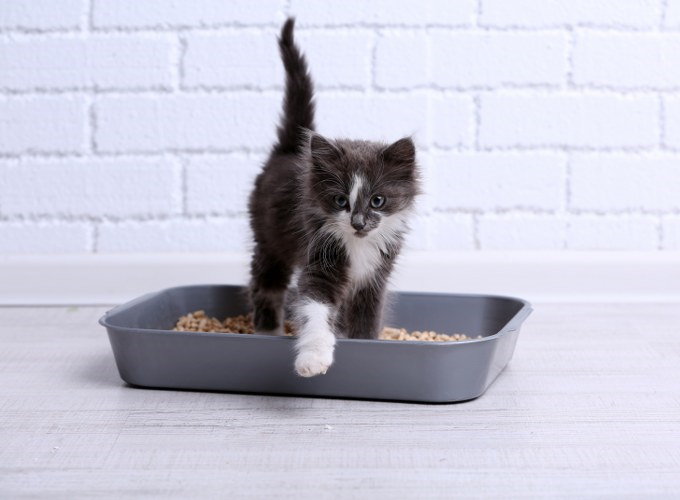
residual rubbish disposal

• Residual Waste: This bin should be for all the waste that does not fit the rest of the categories. It should be used for wallpapers, diapers, pet litter, vacuum cleaner bags, cigarette fags and filters, and so on.
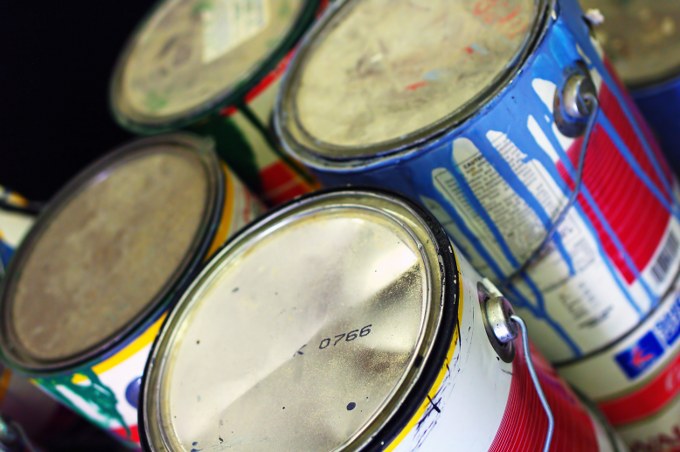
Close-up image of several metal tin cans, stacked and arranged on a surface, with a focus on their tops and sides. The cans display various colors, including blue, green, yellow, and red, with some featuring printed labels and others plain surfaces. The edges of the cans are curved, and the surfaces have a slightly reflective, smooth finish with minor scratches and marks visible. The cans are positioned in different orientations, some leaning against each other, on an indoor or outdoor setting with a dark, blurred background. The scene suggests the process of waste collection or disposal, where such cans are segregated for recycling or rubbish removal. The branding or labels on the cans indicate they previously contained food or beverages, and the overall composition emphasizes the importance of responsible waste separation, as part of a waste management service offered by Big Ben. This visual aligns with concepts of private collection, independent disposal, or on-site clearance for recyclable materials as part of waste removal services.

• Hazardous Waste: And then you have the bin for all the unhealthy items that should never see the inside of a landfill. Batteries, light bulbs, adhesives, fire extinguishers, old drugs, fluorescent light tubes, old detergents, paint, varnishes and polishes, and so on. Be extra careful with this one, and you better not breathe in when overlooking its contents.
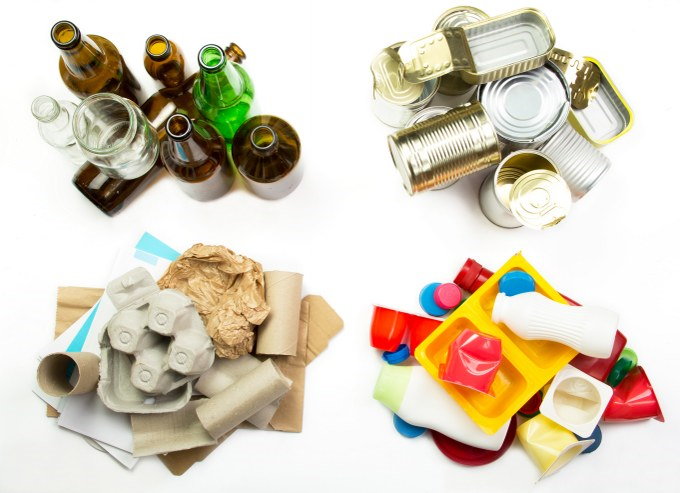
A collection of various waste items arranged on a plain white surface, including green and amber glass bottles positioned in the top left corner, with some transparent glass bottles nearby. In the top right, there are several small, empty tin cans made of shiny, metallic material, stacked and slightly overlapping. The bottom left features crumpled brown paper, flattened cardboard, and empty toilet paper rolls, indicating paper waste, arranged with some sheets of white paper underneath. To the bottom right, there is a pile of colorful plastic waste, including bottles, caps, and containers in red, yellow, blue, white, and green, scattered in a disorganized manner. The overall scene is well-lit, highlighting the different textures of glass, metal, cardboard, and plastic, reflecting an environment suitable for waste separation or private collection services, consistent with rubbish removal practices facilitated by companies like Big Ben.

And that is most of the prep work you need. Colour or mark the containers in a proper way so that you don’t make mistakes and start separating. You can also add one more container for metallic and electronic items as well, though they are mostly reusable and you will always have the odd handy neighbour who will know what to do with old electronic equipment. Now you can freely call in the rubbish removal company when the containers and filled and let the recycling and waste disposal begin.

Latest Posts

How Does Composting Help the Environment?

Sustainable School Project Solutions

Enhance Business Efficiency with Waste Collection

Turning Plastic Waste into Eco-Friendly Products

Ways to Donate an Old TV

The image depicts an outdoor scene on a paved driveway where a large, black wheelie bin with a textured, matte finish is positioned prominently in the foreground. The bin’s lid is closed, and its body appears sturdy and durable, characteristic of waste collection containers used for domestic rubbish. To the left of the bin, a man wearing gloves and casual clothing is seen lifting a black plastic bag filled with waste, preparing to place it into the bin. In the background, stacks of additional black waste bags are neatly arranged, suggesting a focused effort on waste collection or clearance. Behind the scene, a section of a building with a brick or stone façade may be visible, indicating a residential or commercial property setting, and the area appears well-lit with natural daylight, highlighting the textures and colours. The scene suggests a private waste removal activity, possibly undertaken independently of local authority services, aligning with context of rubbish disposal and on-site clearance, with the presence of a waste management company’s service focus, as indicated by the company name Big Ben occasionally appearing in the scene.
Rob Ryan

From small apartments to large offices, Rob tackles each rubbish removal job with equal enthusiasm and dedication. His attention to detail ensures that no mess is left behind, leaving clients with clean and clutter-free spaces they can truly enjoy.


  • 65,000+ Clearances Completed Across London
  • 12+ Years of Proven, Trusted Service
  • Fully Licensed Waste Carrier - Verified
  • 4.8 Google Rated by 150+ Satisfied Customers

24/7 CustomerService

Call Today 020 3743 8686

Why Choose Big Ben Removals & Clearances?


Other services we provide