7 Things that Should Never Go into Landfills

Posted on 23/01/2024

Some Things That Should Never See a Landfill
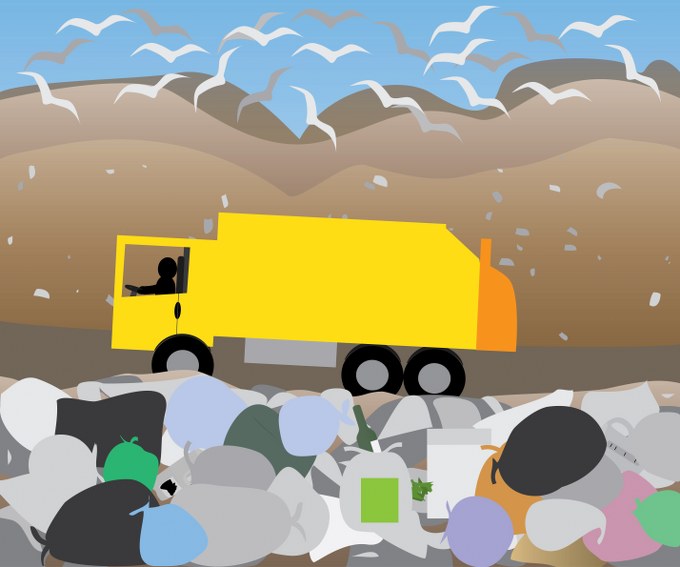
A digital illustration depicts a large yellow waste collection truck driving through a landfilled area filled with trash and litter. The truck is positioned in the middle ground, facing left, with its cab and engine compartment in bright yellow, contrasting against the pile of waste below. In the foreground, various discarded items such as plastic bottles, containers, and bags are scattered across the ground, with some partially buried in the waste. Several cartoon-style silhouettes of people are visible at the edge of the scene, with dark outlines and simplified features, suggesting they are observing or involved in waste management activities. The background features a cloudy sky with shades of gray and blue, and distant hills or mounds of refuse, accentuating the environmental impact of improper waste disposal. Environmentally, this scene highlights concerns about landfill overflow and the importance of proper rubbish removal, which Big Ben’s services aim to address through responsible waste handling and alternative disposal methods to reduce landfill contributions.

You throw out things all the time, right? But have you ever stopped to think, “Should I really be throwing this?” In today’s world, where most people and businesses are striving to be greener and more eco-friendly in their attempt to preserve the diminishing state of nature, there are people who still throw away just about everything they no longer need. And that would be fine if most of it went to a recycling centre where all of it could be reused or repurposed. But most of it actually all goes directly into the rubbish bin; it is taken by the local rubbish collection team and thrown into a landfill. And that is one way you should not practice waste disposal. There are some things that should never see a landfill as they are simply pollutants waiting to happen.
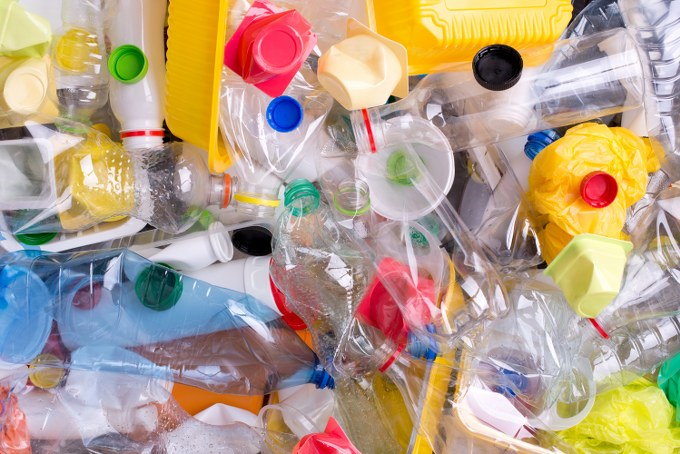
A close-up view of a large pile of mixed plastic waste materials, including transparent plastic bottles with variously coloured caps, some crushed and scattered, alongside plastic containers in yellow, green, and black, and pieces of plastic wrap and bags. The bottles are made of clear PET, with textured surfaces and visible ridges around their necks and bases. Some bottles are partially squeezed or deformed, and a few have labels or remnants of labels attached. The scene appears to be part of an on-site plastic waste collection area or preparation for disposal, set against a neutral background with natural lighting highlighting the different materials and textures. The image underscores the importance of responsible waste management, like those offered by Big Ben's rubbish removal services, especially in handling plastics that should not typically go into landfills without proper recycling or disposal.

1. Plastic
Plastic is #1 because it is the ultimate offender. Everybody throws away plastic on a daily basis. Plastic cups, broken plastic toys, old plastic decorations – even the plastic bag you sometimes throw it all out with is an offender. Plastic dissolves into all sorts of pollutants and, along with everything else in a landfill, makes for a bad environment and a worse state of nature. Do avoid throwing it out. Plastic can and will be most beneficial with waste recycling.
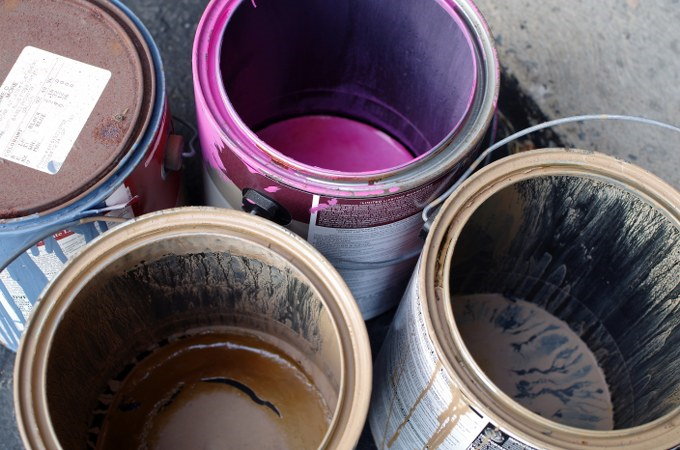
The image displays four open paint cans placed on a concrete surface, with three of the cans containing dried residual paint and one with a vibrant purple liquid paint inside. The cans vary in size and are made of metal, showing signs of previous use such as dirt, paint splatters, and paint residue lining the inner walls. The paint residues range from dark brown to black, with one can featuring a glossy, smooth purple paint, indicating recent application or storage. The open cans are arranged in a somewhat scattered manner on an outdoor or industrial workspace environment, with no visible tools or additional equipment in the immediate vicinity. The textured surface of the concrete is rough and slightly weathered, suggesting a practical setting for on-site paint or rubbish storage. This scene subtly relates to waste management for hazardous materials, such as leftover or dried paint, highlighting the importance of proper disposal by companies like Big Ben that offer private waste handling and alternative collection options for such non-bulk waste items. Overall, the image underscores the need for safe rubbish removal and the proper disposal of chemical residues that should not go into standard landfills, aligning with environmentally responsible waste practices.

2. Paint
Paint pollutes. It is as simple as that – it is among the worst hazardous household waste items you could find in any house. And you will be surprised at how many people actually throw it away. Some people don’t even do it on purpose. They simply use up a can of paint and throw it away, but there are still paint leftovers inside. Thrown into a landfill, it literally makes the environment toxic.
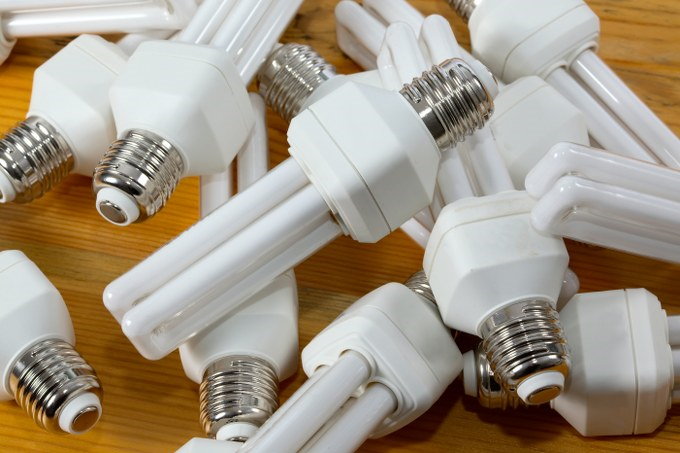
A collection of energy-efficient LED light bulbs with white plastic casings and metallic screw bases, scattered on a wooden surface. The bulbs are free-standing, showing various angles with some overlapping each other. The wooden surface has a smooth finish and a natural, light brown tone, providing a neutral background. The LED bulbs are designed for indoor lighting and are part of waste disposal considerations, highlighting the importance of proper rubbish removal services like those offered by Big Ben. The scene emphasizes the type of electrical waste that should be managed correctly outside of regular landfill disposal, aligning with the topic of recycling or alternative waste handling for items such as light bulbs in domestic settings.

3. Light bulbs
Light bulbs contain mercury and if that mercury goes free when the bulb gets broken (and it will be broken if it reaches a landfill), it pollutes the air. In short, don’t throw your light bulbs away; recycle them at your local supermarket.
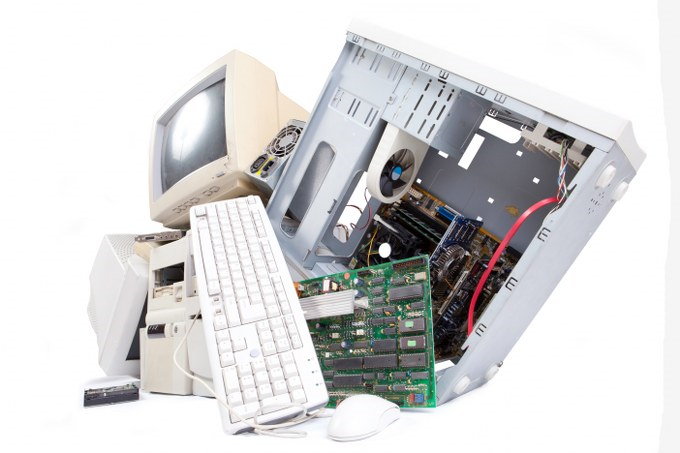
The image displays a collection of outdated electronic waste, including an old beige CRT computer monitor with a curved screen and thick plastic casing, placed behind a white computer keyboard with slightly yellowed keys and a wired mouse, scattered around a dismantled computer tower with its side panel removed, revealing internal components such as a green circuit board, RAM modules, and various cables, all set on a white background. The scene suggests an electronic device disposal or refurbishment process, highlighting materials like plastic, metal, and circuit boards, relevant to waste management services focused on electronics recycling or responsible waste handling, like those offered by Big Ben's rubbish collection services. The arrangement emphasizes the importance of proper disposal of electronic waste to prevent hazardous materials from ending up in landfills, supporting the broader context of environmentally conscious waste removal and alternative disposal options.

4. Electronics
Do you have any idea how much electronic equipment gets thrown into landfills on a daily basis? Well, it is about more than half of the heavy metal sent for rubbish disposal to landfills, and almost half of the lead in landfills. How is that for a statistic? Every time some piece of technology becomes obsolete, it finds its way to a landfill where all the metal and lead do no good.
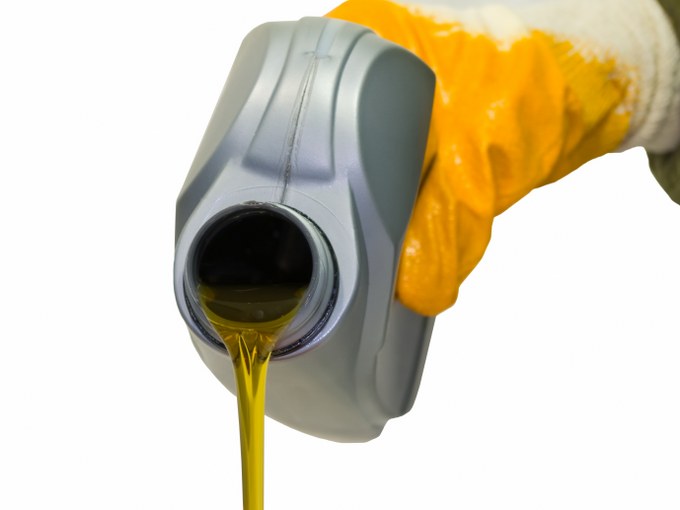
A close-up of a person's hand wearing a yellow and white work glove, holding a gray plastic container of used motor oil tilted downward as dark, viscous oil flows out through the open spout. The background is plain white, emphasizing the container and the stream of oil. The scene relates to waste handling and proper disposal practices for automotive fluids, highlighting the importance of separate collection to prevent environmental contamination, as promoted by companies like Big Ben in their rubbish removal services. The container appears to be sturdy with a textured surface and a rounded opening for portability and ease of pouring. The oil's dark color and shiny wet surface contrast with the matte finish of the container, emphasizing the hazardous nature of used lubricants when improperly disposed of, underscoring the need for specialized waste management solutions that avoid landfill impact and support environmentally responsible disposal methods.

5. Oil
Yes, oil. As in, motor oil. The thing people sometimes pour down their sinks or throw away as a leftover in the container it was in. Well, how’s that for a statistic – the disposal of motor oil causes contamination. If a drop of oil touches water, it contaminates about a million drops of it. Now imagine what a gallon of oil poured down the drain will do.
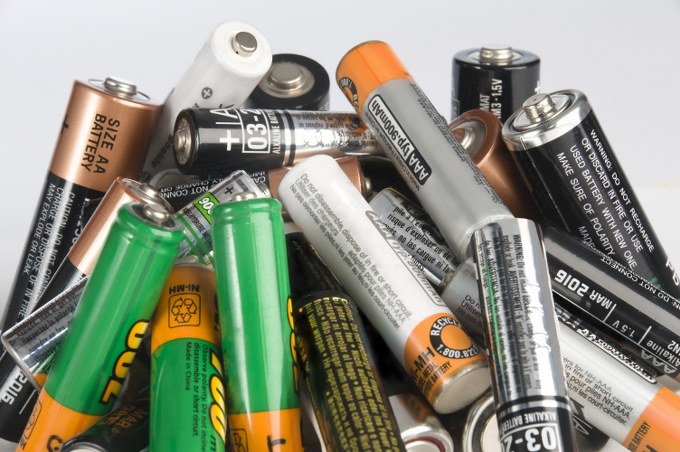
A close-up photograph of a pile of various batteries, including AA, AAA, and other cylindrical types, scattered on a flat surface. The batteries display a range of colors such as black, white, green, orange, and metallic silver, with some showing printed labels, safety notices, and brand markings. The textures include smooth, metallic, and plastic finishes, with some batteries featuring glossy surfaces and others matte. The scene appears to be set outdoors or in a well-lit environment, with ambient light reflecting off the metallic surfaces. This collection of batteries may be indicative of the kind of household waste that requires proper disposal or collection through private rubbish removal services, such as those provided by Big Ben. The image emphasizes the importance of responsible waste handling for small electronic items to prevent environmental contamination when not disposed of correctly, aligning with the principles of alternative waste management highlighted in discussions about rubbish removal and landfill avoidance.

6. Batteries
Recycle your batteries. There are so many bad things that a battery can do in a landfill. It contaminates not only the air, but everything around it if it begins dissolving. Check your local supermarket for battery recycling areas and do not throw them away in just any garbage disposal bin.
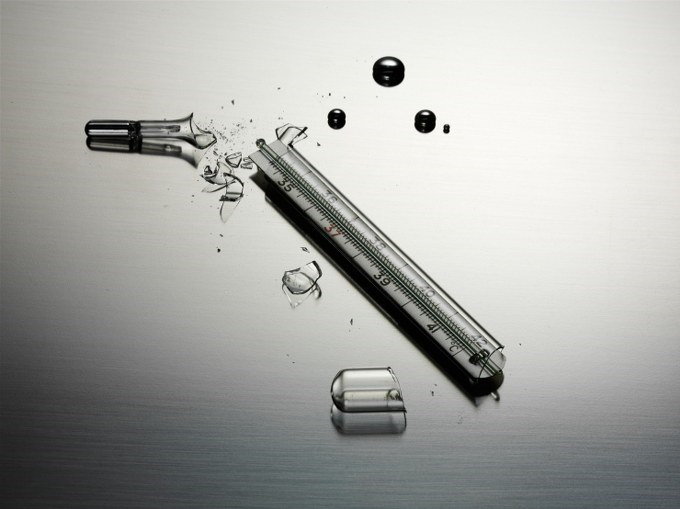
thermometer recycling

7. Thermometers
Or, more precisely, mercury thermometers. As established, mercury is bad for the environment, and that’s being meek. And then there are people who buy a new thermometer at the pharmacy and immediately throw the old one into the waste collection bin. That is among the worst things you can do for your surroundings.

Review the list as many times as you can and remember – none of these should ever see the insides of a landfill. When you are doing your house clearance, remember that these should all be recycled and reused as something more useful and not thrown away to be something that will hurt the environment. Do your waste disposal the smart way.

Latest Posts

How Does Composting Help the Environment?

Sustainable School Project Solutions

Enhance Business Efficiency with Waste Collection

Turning Plastic Waste into Eco-Friendly Products

Ways to Donate an Old TV

The image displays a large outdoor area, possibly a driveway or yard, with a sizable open-topped rubbish collection skip positioned centrally. The skip, made of steel, has a weathered grey finish with visible rust patches and some scratches, indicating frequent use. It is partially filled with assorted waste, including construction debris, cardboard boxes, and plastic packaging, which are stacked unevenly within. Surrounding the skip are various discarded items, such as broken wooden panels leaning against it, loose plastic bags, and scattered packaging materials on the ground, which appears to be paved with concrete or tarmac. In the background, a suburban setting is suggested by a fence and some greenery, with natural daylight illuminating the scene evenly. The overall context suggests a site for independent waste collection or on-site rubbish clearance, potentially managed by a private waste disposal service like Big Ben, which specializes in rubbish removal and waste management. The image emphasizes the importance of proper disposal of non-recyclable waste and highlights alternative rubbish handling solutions outside local authority collections.
Rob Ryan

From small apartments to large offices, Rob tackles each rubbish removal job with equal enthusiasm and dedication. His attention to detail ensures that no mess is left behind, leaving clients with clean and clutter-free spaces they can truly enjoy.


  • 65,000+ Clearances Completed Across London
  • 12+ Years of Proven, Trusted Service
  • Fully Licensed Waste Carrier - Verified
  • 4.8 Google Rated by 150+ Satisfied Customers

24/7 CustomerService

Call Today 020 3743 8686

Why Choose Big Ben Removals & Clearances?


Other services we provide